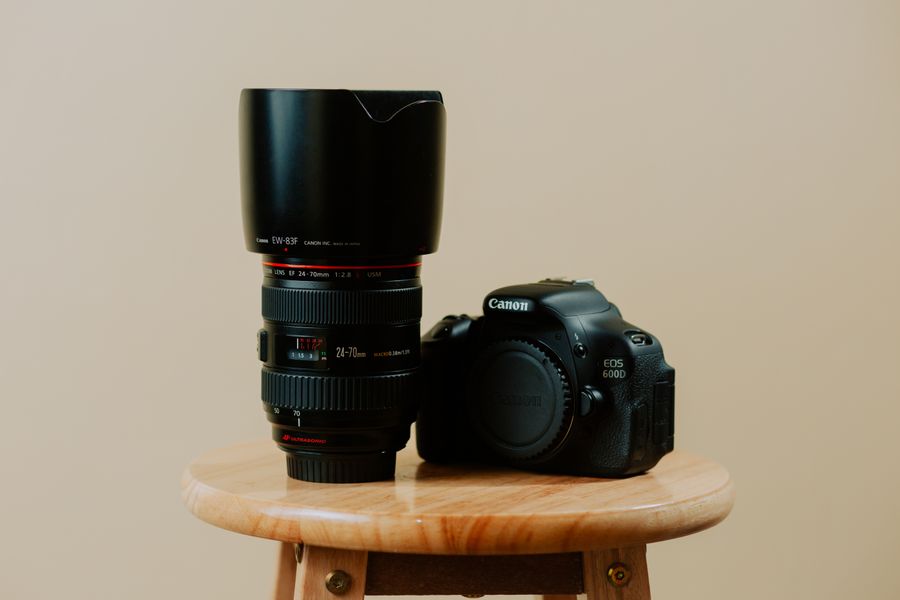
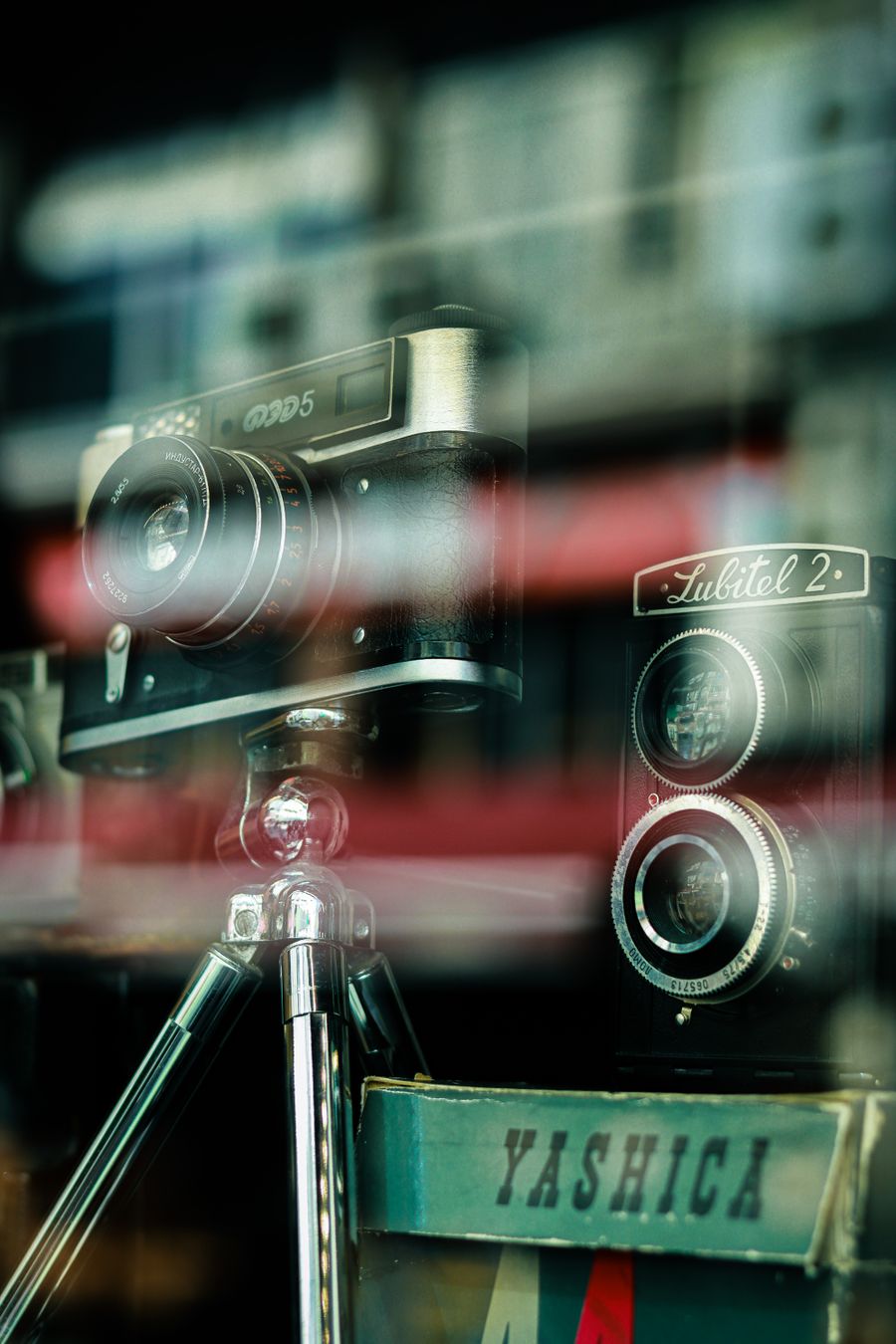
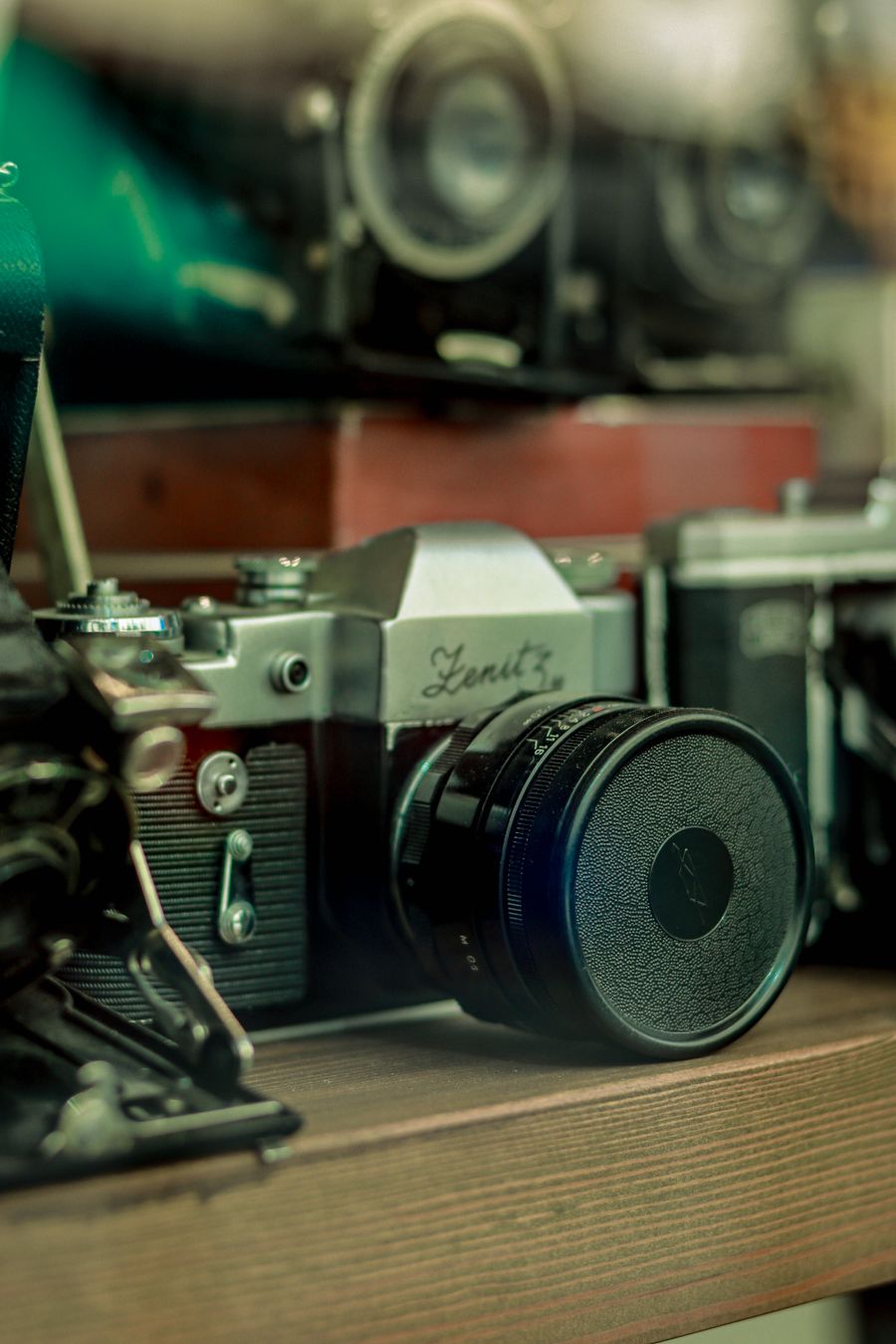
Six camera bodies that make far more sense second-hand than new, chosen for the way they hold up years after launch and for how commonly they turn up in MPB's stock.
Callum HargreavesCallum writes about screens, cameras, networks and software. He reads the spec sheet before the press release.
Cameras depreciate badly and age well, which is an unusually good combination for a buyer. A body that cost a professional's monthly income at launch takes the same photographs five years later, and sensors and shutters are among the longest-lived components in consumer electronics. The only real risks are cosmetic condition, shutter wear and buying from someone who will not take it back.
MPB exists to remove the last of those. Everything is inspected and graded in-house, photographed as the actual item rather than a stock image, and covered by a warranty, which is the difference between a considered purchase and a gamble on a listing. Below are six bodies that we think make the strongest case for buying used rather than new.
In a hurry? The Sony A7 III is the best all-round used full-frame buy there is. If you shoot video as much as stills, go to the Canon EOS R6, and if you want something smaller and more enjoyable, the Fujifilm X-T4.
Buying used is how most people get into full-frame photography, MPB inspects and grades each item rather than leaving it to a seller's description.
Affiliate disclosure: Reviews Lounge earns a commission when you buy through links on this page, at no additional cost to you. Commissions never influence our rankings, scores or recommendations. Full disclosure.
The shortlist
Start here
Three bodies cover most people coming to the used market — the all-rounder, the hybrid and the one you will actually carry.
Best overall used buy
Sony A7 III
★★★★★4.8/ 5
Full-frameMirrorlessE-mount
The body that made full-frame mirrorless mainstream, and still the most sensible used purchase in photography. Enormous lens choice, keen used prices and the most reliable stock on the market.
Canon's hybrid workhorse, and the autofocus is the reason to buy it. Excellent subject detection, strong stabilisation and colour that needs very little work afterwards.
Smaller, lighter and considerably more enjoyable to use than a full-frame body, with physical dials for everything and colour profiles you will really keep using.
The case for MPB over a private sale is entirely about what happens if something is wrong.
Everything is inspected and graded
MPB's specialists check each item against a multi-point evaluation and assign one of five cosmetic grades, from Like New down to Heavily Used, with a separate category for items sold for spares or repair. You are buying against a published grading system rather than a stranger's optimism, and the listing photographs show the actual item.
A warranty on second-hand kit
Used gear from MPB comes with a six-month warranty as standard, which is the single biggest difference from a private sale. It covers faults that develop after purchase, which is exactly the risk that stops most people buying used bodies in the first place. Items sold as faulty are excluded, as you would expect.
Trade-in against the purchase
You can sell or part-exchange your existing kit in the same transaction, which is how most system switches actually get funded. It is usually less money than a careful private sale would raise, and a great deal less hassle, with the valuation handled before anything is shipped.
Buying guide
How to choose the right one
Three things decide whether a used body is a bargain or a mistake.
1
Pick the system before the body
The body is the cheap part of a camera system over time; the lenses are what you are really committing to. Before buying, look at what glass exists for that mount in your price range and what it costs used. A cheaper body on a mount with expensive or limited lenses is a false economy. If you already own lenses, that usually settles the question; buy the body that takes the glass you have.
2
Read the grade, not the price
MPB's grades describe cosmetics, not function, so a Well Used body can be mechanically sound and visually scuffed. If the camera lives in a bag and gets used, the lower grades are where the value is. If you care how it looks, or you are buying to resell later, pay for a higher grade. Check the listing photographs of the actual item and look at the screen, the grip rubber and the mount.
3
Check what the shutter count means for the model
For a DSLR, shutter life is a real wear item and a published count is useful information – professional bodies are typically rated for far more actuations than consumer ones. For mirrorless cameras with electronic shutter options, the number matters much less. Either way, treat a high count as a reason to negotiate on grade rather than a disqualification on a body rated for heavy use.
📦 What to check when it arrives
Fire the shutter across the full range, check for dust and marks on the sensor by shooting a bright, even surface at a small aperture, and confirm autofocus locks on both contrast and low-contrast subjects.
Test every card slot, the battery door catch, both dials, the viewfinder eyepiece and the rear screen hinge. Mechanical parts are where used bodies fail, not the sensor.
In-depth reviews
All 6, reviewed
Ranked by how well each one delivers on what it promises, not by price.
1
Best overall used buy
Sony A7 III
★★★★★4.8/ 5
4.8Score
Nothing else on the used market gives you this much capable full-frame camera for this little money, with this many lenses to point at it.
Why it made the list
The A7 III was the camera that pushed full-frame mirrorless from a specialist choice into the default one, and that popularity is exactly why it is such a good used buy: there are a great many of them, so prices are keen and stock is reliable. It pairs a full-frame sensor with in-body stabilisation, dual card slots and a battery that lasts a day, which is a specification that still reads well years later. It also has the practical virtues that matter on a long day: a decent grip for a mirrorless body, a sensible card door and controls that can be worked with gloves on.
The other half of the argument is the lens mount. Sony's E-mount has the deepest third-party support of any full-frame system, which means you can build out a kit affordably, and used glass is plentiful. It is not a perfect camera, the menus are a maze, the grip is small for large hands, and autofocus on moving subjects has been comfortably beaten since, but for stills photography at this price nothing else comes close. If you are coming from a phone or a crop-sensor camera, the jump in low-light capability and in the control you have over depth of field is the single biggest upgrade available at this money.
Type: full-frame mirrorless
Mount: Sony E
Why used: huge supply keeps prices keen
Stabilisation: in-body
Pros
Best used value in full-frame, by a clear margin
The widest lens choice of any full-frame mount, including affordable third-party glass
In-body stabilisation and truly long battery life
Dual card slots, which matters if you shoot anything important
Cons
Menu system is truly unpleasant to navigate
Subject-tracking autofocus has been well surpassed by newer bodies
We may earn a commission from this link, at no extra cost to you.
2
Best for stills and video
Canon EOS R6
★★★★★4.5/ 5
4.5Score
The autofocus is the reason to buy it: point it at a face or an eye and it simply holds on, which no amount of resolution can substitute for.
Why it made the list
The R6 was Canon's answer to the enthusiast hybrid, and its strengths have aged well. Autofocus is the standout: subject detection that locks onto eyes and faces and keeps them, which is the difference between getting the shot and nearly getting it. In-body stabilisation is among the better implementations, and Canon's colour science means straight-out-of-camera files that need less correcting than most. If you already own Canon EF lenses, the mount adapter works well and preserves autofocus, which makes this a much cheaper route into mirrorless than the RF lens prices suggest.
It is a lower-resolution sensor than some rivals, which is a feature if you shoot in poor light and a limitation if you crop heavily or print large. Video is capable but the body can get warm on long recordings, so check what you need before committing. The RF mount is the real caveat on the used market, Canon has restricted third-party autofocus lenses, so the affordable glass options are narrower than on Sony's system. As a used buy it tends to appear in good cosmetic condition too, because many were bought by enthusiasts rather than worked hard by professionals, which is worth bearing in mind when comparing grades.
Type: full-frame mirrorless
Mount: Canon RF
Strength: autofocus and colour rendition
Stabilisation: in-body
Pros
Subject-detection autofocus that is still excellent today
Canon colour means less time editing skin tones
Strong in-body stabilisation for handheld stills and video
Cons
Lower resolution limits heavy cropping and large prints
Can overheat on extended video recording
RF lens choice is narrower and pricier than E-mount, with limited third-party autofocus options
We may earn a commission from this link, at no extra cost to you.
3
Best APS-C buy
Fujifilm X-T4
★★★★★4.4/ 5
4.4Score
The camera you will carry on a day out rather than leave at home; and the one that produces files you are happy with before you open an editor.
Why it made the list
The X-T4 is the high point of Fujifilm's enthusiast APS-C line and the most complete X-series body to buy used. Dedicated dials for shutter speed, aperture and exposure compensation mean you set the camera by looking at it rather than through a menu, which changes how you shoot. It adds in-body stabilisation and a much better battery than the model before it, which were the two real complaints about its predecessor. It is also weather-sealed and solidly built, so it stands up to being carried rather than kept in a cupboard, which is the whole point of a smaller camera.
The film simulations are not a gimmick: they produce JPEGs you can use without editing, which for travel and family photography is worth more than another stop of sensor performance. The trade-offs are honest ones. An APS-C sensor gives less control over depth of field and less latitude in very low light than full-frame, the fully articulating screen suits video more than waist-level stills, and Fujifilm's autofocus tracking lags Sony and Canon on fast-moving subjects. The X-mount lens range is the other reason to consider it: Fujifilm's primes are compact, optically excellent and reasonably priced used, which keeps the whole kit small and affordable.
Type: APS-C mirrorless
Mount: Fujifilm X
Controls: dedicated shutter, aperture and exposure dials
Stabilisation: in-body
Pros
Physical dials make it enjoyable to use
Noticeably smaller and lighter than a full-frame kit
Film simulations give usable files with no editing
Cons
APS-C gives less low-light latitude and shallower-depth control than full-frame
Autofocus tracking trails the best Sony and Canon bodies
The fully articulating screen is awkward for waist-level stills
We may earn a commission from this link, at no extra cost to you.
4
Best value full-frame
Nikon Z6 II
★★★★★4.5/ 5
4.5Score
Nikon's handling has always been the quiet argument for the brand, and the Z6 II is where that stops costing a premium.
Why it made the list
The Z6 II is the sort of camera that reviews well and sells modestly, which makes it excellent on the used market. The body is the best-handling of the group — deep grip, sensibly placed controls, a viewfinder that is bright and large enough to compose through properly, and the full-frame sensor performs well in low light. The second generation added a second card slot and better buffering, which were the main criticisms of the original. It is also properly weather-sealed and built to the standard Nikon has always applied to this tier, which means it tolerates rain and cold without complaint.
Native Z-mount lenses are very good, if not cheap, and Nikon's F-mount adapter works well enough that a large catalogue of affordable older glass is available to you. The weak points are autofocus tracking, which is a step behind Sony and Canon on erratic subjects, and video features that are capable but less flexible than rivals. For considered stills photography, the handling advantage is worth more than the autofocus deficit. As a used purchase it is one of the better value propositions here precisely because it was never a fashionable camera, so prices have fallen further than its capability warrants.
Type: full-frame mirrorless
Mount: Nikon Z
Strength: ergonomics and viewfinder quality
Compatibility: F-mount lenses via adapter
Pros
Best handling and grip of any body in this guide
Large, bright viewfinder that is a pleasure to compose through
Strong low-light performance from the full-frame sensor
F-mount adapter opens up decades of affordable used lenses
Cons
Autofocus tracking is behind Sony and Canon equivalents
Native Z lenses are good but expensive, and third-party options are fewer
We may earn a commission from this link, at no extra cost to you.
5
Best used DSLR
Canon EOS 5D Mark IV
★★★★★4.3/ 5
4.3Score
If you want the most camera and the most glass for the least money, the answer is still a used professional DSLR; and this is the one.
Why it made the list
The 5D Mark IV was a working professional's camera for years, and that is exactly why it is such good value used: it was built for heavy duty, with proper weather sealing, a shutter rated for a lot of actuations and controls designed to be operated without looking. The optical viewfinder has no lag and no blackout, the battery lasts for days rather than hours, and the files are excellent for stills work of every kind. Many were bought by working photographers and show it cosmetically, which is exactly why the lower grades represent such good value on a body rated for heavy use.
The real prize is the EF lens mount. Canon's EF catalogue is vast, thoroughly discounted on the used market and includes many lenses that remain optically excellent, so a kit built around this body costs remarkably little for what it does. The cost is modernity. Live-view and video autofocus are dated, there is no in-body stabilisation, and it is heavy. As a stills camera bought for value, it remains very hard to argue with. The shutter count is worth asking about on this model specifically, because the mechanical shutter and mirror are the wear items, though the rating on a professional body is high enough that most used examples have plenty of life left.
Type: full-frame DSLR
Mount: Canon EF
Strength: build quality and vast cheap lens catalogue
Viewfinder: optical, no lag
Pros
Professional build and weather sealing at a modest price
Access to the largest and cheapest used lens catalogue in photography
Battery life measured in days, not hours
Cons
Heavy and bulky next to any mirrorless body
No in-body stabilisation, so you rely on stabilised lenses
We may earn a commission from this link, at no extra cost to you.
6
Best for video on a budget
Panasonic Lumix S5
★★★★★4.2/ 5
4.2Score
For a tripod, a gimbal or an interview seat, the S5 still gives you more usable video for the money than anything else at this price.
Why it made the list
Panasonic has always put video features into bodies cheaper than its rivals would, and the S5 is the clearest example on the used market. It is a compact full-frame body with a fully articulating screen, in-body stabilisation, generous recording options and useful tools for setting exposure and focus manually. For documentary, interview and planned video work, it punches far above the money it now costs. It is also among the smallest full-frame bodies available, which makes a real difference if you are carrying it on a gimbal or in a day bag rather than on a tripod.
The single large caveat is autofocus. Panasonic used a contrast-based system in this generation rather than the phase-detect approach of its rivals, and it hunts on moving subjects in a way that is obvious on video. If you shoot run-and-gun with autofocus, buy something else. If you focus manually or shoot static subjects, that limitation disappears and you are left with a cheap, capable, well-built full-frame camera. The L-mount has decent lens support, though less than E-mount. Worth knowing before you commit: the L-mount is shared with Sigma and Leica, so there is more lens choice than the Panasonic catalogue alone suggests, including some well-priced Sigma primes.
Type: full-frame mirrorless
Mount: L-mount
Strength: video features and manual control tools
Stabilisation: in-body
Pros
Video specification well beyond its used price
Compact and light for a full-frame body
Excellent manual focus and exposure tools
In-body stabilisation good enough for handheld work
Cons
Contrast-based autofocus hunts noticeably on moving subjects
We may earn a commission from this link, at no extra cost to you.
Methodology
How this guide was put together
We assess products on construction and claims we can verify: not on which brand pays most.
Claims checked against spec
We test marketing claims against the actual published construction and specification, rather than taking a product name at face value.
Like for like within a range
Every product in a guide is judged against its siblings, so the ranking reflects what you actually choose between.
Certification and durability
Independent certification, materials and build quality all feed into the score, not just headline features.
Matched to real people
A score means nothing without context, so every pick states who it suits – and who should skip it.
Total cost of ownership
We weigh what's included and what isn't, because delivery, fees and accessories change the real price.
No sponsored rankings
Brands cannot buy a position. Affiliate commissions fund the site but never determine the order or the wording.
FAQ
Common questions
Is it actually safe to buy a used camera?
Sensors and shutters are among the most durable parts of a camera, and a body that has been looked after will usually outlast its owner's interest in it. The real risks are cosmetic damage, water ingress and worn mechanical parts, all of which an inspection catches.
Buying from a dealer that grades and warranties stock removes most of the remaining risk. Buying from a private seller does not.
What do MPB's condition grades mean?
There are five cosmetic grades: Like New, Excellent, Good, Well Used and Heavily Used; plus a separate spares and repairs category for items that need work. The grades describe appearance and wear rather than whether the camera functions.
For a working camera, Good and Well Used are usually the best value. Like New mostly buys you resale value.
Should I buy a used professional body or a new consumer one?
For stills, a used professional or enthusiast body is almost always the better camera: better viewfinder, better weather sealing, better controls and a more durable shutter, for the same money as a new entry-level model.
For video, the calculation flips. Autofocus and codec support have improved quickly, so a newer body may truly do things an older professional one cannot.
How much does shutter count matter?
On a DSLR it is a genuine wear indicator, because the mirror and mechanical shutter are the parts that fail. Compare the count against the model's rated life rather than judging it in isolation.
On mirrorless bodies that can shoot with an electronic shutter, the count tells you much less, and sensor and screen condition matter more.
Can I trade in my old camera?
Yes: MPB buys and part-exchanges kit, and you can put the value of your existing gear against a purchase in the same transaction. You will usually get less than a careful private sale, in exchange for not having to arrange one.
Get the valuation before you commit to the purchase, so you know what the net cost actually is.
The short version
Choose the system first, then buy the best-built body you can afford at the lowest cosmetic grade you can live with. A scuffed professional camera will serve you far better than a pristine entry-level one, and the warranty covers the part that worries you.
See used cameras at MPB
Used stock is one-of-a-kind; availability, grades and configurations change daily.
From the best-selling Classic to the adjustable Solaire and the pain-focused Rx, we compared every mattress in Saatva's lineup and matched each one to a sleep style, body type and budget.
Samsung's 2026 range runs from a 165Hz QD-OLED flagship to a Micro RGB LCD and an art panel that hides in plain sight. Here's which one belongs in your room.