Best for most people

Vitamin D3
Autumn & winterOwn labelTablets or drops
The one supplement with a genuine population-level case in the UK, where sunlight is too weak to make enough vitamin D for roughly half the year.
Which supplement categories are actually worth your money at Holland & Barrett — and which ones most people can skip entirely.

Holland & Barrett is the default UK supplement shop, and the shelves reflect that: hundreds of own-label lines next to dozens of third-party brands, arranged by concern rather than by evidence. That layout makes it very easy to leave with a basket of things you did not need.
So this guide works at category level rather than naming individual tubs, because formulations and strengths change constantly. We have picked the six categories where a supplement has the clearest case for most people in the UK, and said plainly where the evidence thins out.

Affiliate disclosure: Reviews Lounge earns a commission when you buy through links on this page, at no additional cost to you. Commissions never influence our rankings, scores or recommendations. Full disclosure.
Three categories with the strongest case for most people: the one UK guidance recommends, the one that fills a genuine dietary gap, and the brand's own best-selling line.
The one supplement with a genuine population-level case in the UK, where sunlight is too weak to make enough vitamin D for roughly half the year.
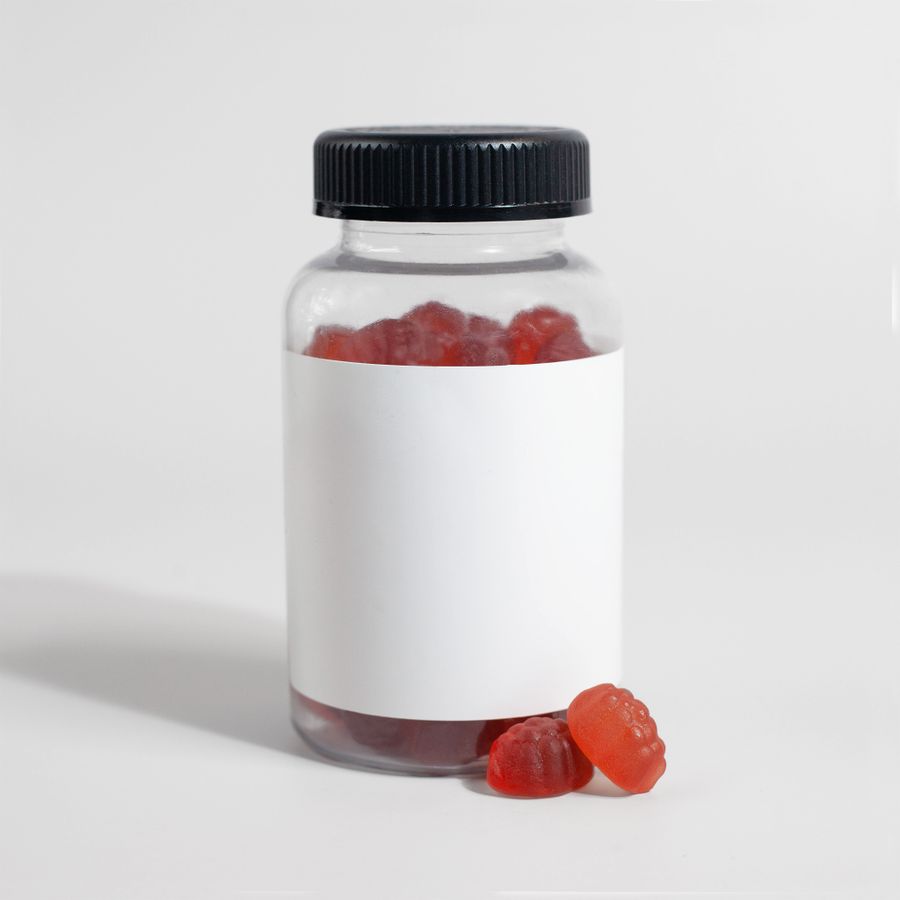
One of the retailer's genuine best-sellers, and a reasonable buy if you do not eat oily fish twice a week. Check the EPA and DHA figures, not the headline.

Holland & Barrett's reported best-selling supplement, taken mostly for joint comfort. Popular, well tolerated, and weaker on evidence than its sales suggest. Cheap enough that trying it costs very little.
Every option side by side, with the one thing that actually distinguishes it.
| Category | Best for | Form | Key strength | Watch out for | |
|---|---|---|---|---|---|
| 1Vitamin D3 | Most people | Tablet, spray or drops | The one UK guidance supports broadly | Accumulates; respect the upper limit | View |
| 2Omega 3 Fish Oil | Non-fish eaters | Softgels or liquid | Fills a real gap in most UK diets | Compare EPA/DHA, not fish oil | View |
| 3High Strength Turmeric | Joint comfort | Capsules or powder | Cheap, popular and well tolerated | Evidence thinner than the sales | View |
| 4Magnesium | Sleep & muscles | Tablets or powder | Several well-tolerated forms available | The cheap form is the worst one | View |
| 5Collagen & Silica | Skin & nails | Powder, liquid or capsules | Modest but real effect over months | Slow, and the evidence is soft | View |
| 6Gut Health & Probiotics | Digestion | Capsules or sachets | Specific strains have real evidence | Broad claims are overstated | View |
← swipe the table to see all columns →
Three practical reasons it remains the default, despite online competition.
The Holland & Barrett label sits directly next to the branded versions of the same thing, which makes the premium you are paying for a brand unusually visible. For well-established nutrients like vitamin D, magnesium and omega 3, the own-label line is the sensible default.
Stores are staffed by people who can point you at the right aisle and, more usefully, tell you when a product is not what you want. That is worth something in a category where online shopping encourages buying by claim rather than by need.
The own-label range flags vegan, vegetarian, gluten-free and allergen status prominently, and the full ingredient list is on the tub rather than buried in a web page. If you have dietary restrictions, being able to read the box before you buy it matters.
Three rules that will cut your basket in half and improve the result.
Supplements work when they correct a shortfall and do very little when they do not. The gaps worth assuming in the UK are vitamin D through autumn and winter, and omega 3 if you do not eat oily fish. Beyond that, test or ask rather than guess – iron in particular should never be taken speculatively, because too much is harmful and the symptoms of excess overlap with the symptoms of deficiency.
The name on the front tells you less than the form on the back. Magnesium citrate behaves very differently from magnesium oxide; vitamin D3 is better absorbed than D2; omega 3 products vary enormously in how much actual EPA and DHA sit behind the headline fish-oil figure. Compare the nutrition panel between two tubs and the real difference becomes obvious quickly.
Almost nothing in this category works in a week, and starting four supplements at once means you will never know which one helped or which one upset your stomach. Introduce one, keep everything else constant, and give it a couple of months. If you cannot tell any difference after that, stop taking it rather than adding another.
Supplements are not a substitute for medical advice or for prescribed treatment. If you have a diagnosed health condition, are pregnant or breastfeeding, are due surgery, or take any prescription medication, speak to your GP or a pharmacist before starting anything from this guide. Interactions are common and some are serious; St John's wort affects many prescriptions, high-dose omega 3 and vitamin E can affect blood clotting, and calcium and iron interfere with the absorption of several drugs.
Treat new or persistent symptoms as a reason to see a doctor, not a reason to buy a supplement. Fatigue, breathlessness, unexplained weight change and persistent digestive trouble all have causes that need diagnosing rather than self-treating, and a supplement can mask a problem while it progresses.
More is not better. Several nutrients have upper limits above which they cause harm rather than benefit: fat-soluble vitamins A, D, E and K accumulate in the body, and high-dose vitamin B6 over time can cause nerve damage. Stick to the dose on the label unless a clinician has told you otherwise, and check whether a multivitamin already contains what you are about to add separately.
Watch for stacking. It is easy to end up taking the same nutrient from three products – a multivitamin, a fortified drink and a single-nutrient tub, and exceed the safe limit without ever taking more than the stated dose of any one of them. Add up what is actually going in.
Ranked by how well each one delivers on what it promises, not by price.
Between October and March, UK sunlight is too weak for your skin to make vitamin D at all; which is why this is the default recommendation.
Vitamin D is the supplement UK public health guidance actually suggests for the general population, and the reason is geography rather than diet. From roughly October to March the sun does not get high enough in British skies for skin to synthesise vitamin D, and food sources are limited to oily fish, egg yolks and fortified products. It matters for bone health, muscle function and immune regulation, and deficiency is common and often silent, which is exactly why it is worth taking as a matter of course rather than waiting for a symptom to appear.
Holland & Barrett's own-label range covers it in several strengths and formats; tablets, capsules, sprays and drops, including vegan D3 derived from lichen rather than sheep's wool. Buy D3 rather than D2, and check whether a multivitamin you already take includes it before adding a separate tub. Vitamin D is fat-soluble and accumulates, so do not exceed the label dose, and anyone with a condition affecting calcium metabolism should ask a doctor first. Taking it with a meal containing some fat improves absorption, since it is a fat-soluble vitamin.
We may earn a commission from this link, at no extra cost to you.
The number on the front is fish oil; the number that matters is the EPA and DHA hidden on the back panel.
Omega 3 is among Holland & Barrett's best-selling categories, with fish oil and cod liver oil both reported near the top of its 2025 figures. The case for supplementing is straightforward: UK guidance suggests a portion of oily fish a week or two, most people do not manage it, and the long-chain omega 3 fatty acids EPA and DHA have reasonable evidence behind them for heart and brain health. Vegan versions derived from algae supply the same fatty acids without the fish, and are worth the premium if you do not eat it.
Compare products on the back of the pack. A tub advertising 1,000mg of fish oil might contain a few hundred milligrams of actual EPA and DHA, and that figure varies several-fold between products at similar prices. Fish oils also oxidise – a strong rancid smell means it has gone off and should be discarded; and high doses can affect blood clotting, so anyone on anticoagulants or due surgery should check with a clinician first. Store the tub somewhere cool and dark rather than above a radiator, and finish it well within its date.
We may earn a commission from this link, at no extra cost to you.
It was the retailer's number one seller last year — which tells you about demand rather than about the strength of the evidence.
Turmeric was reported as Holland & Barrett's best-selling supplement of 2025, which makes it the clearest window into what people actually buy. Most take it for joint comfort and general inflammation, and the active compound of interest is curcumin. It is well tolerated by most people, widely available in the own-label range, and cheap enough that trying it for a couple of months is a low-stakes decision rather than a significant outlay. It is also available as a powder for anyone who would rather cook with it than swallow a capsule, which has the advantage of coming with the fat that aids absorption.
The honest position is that the evidence is suggestive rather than settled. Curcumin is poorly absorbed on its own, which is why many formulations add black pepper extract or use a modified delivery system, compare those details, because they affect whether anything reaches your bloodstream. Turmeric can interact with blood thinners and may aggravate gallbladder problems, and it is not a treatment for arthritis. If joint pain is persistent or worsening, that needs a diagnosis rather than a supplement, because inflammatory arthritis is treatable and delay really matters to the outcome.
We may earn a commission from this link, at no extra cost to you.
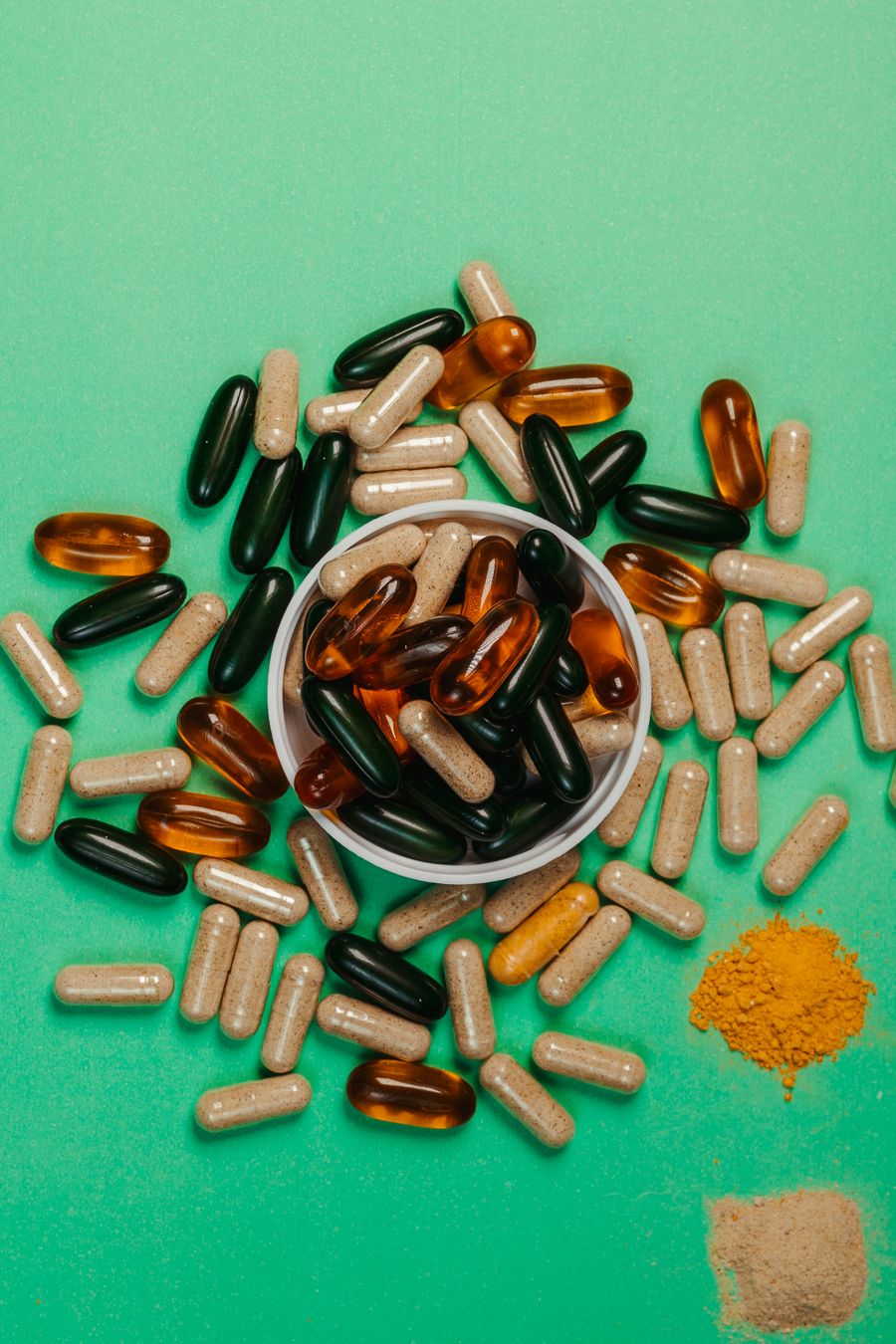
Nowhere else in the shop does the small print on the back change the product this much.
Magnesium has its own category on Holland & Barrett's shelves, and it is the clearest example of why reading the back of the pack matters. Magnesium oxide is cheap and poorly absorbed, and is the usual culprit when people report a laxative effect. Citrate absorbs better and is gentler. Glycinate is generally the best tolerated and the one most often chosen by people taking it in the evening for sleep or muscle relaxation. Taurate and malate occupy a middle ground on both absorption and price, and are both worth considering.
It is a useful mineral, involved in muscle and nerve function, and deficiency is reasonably common in people eating a restricted diet or taking certain medications. But it is also heavily over-promised on social media. It will not cure insomnia or anxiety, the headline milligram figure refers to the compound rather than the elemental magnesium, and it interacts with several drug classes including some antibiotics. Check with a pharmacist if you take anything regularly, particularly antibiotics, where timing the doses apart matters as much as the interaction itself.
We may earn a commission from this link, at no extra cost to you.

The studies suggest something real but small, measured over months; which is the opposite of how it is marketed.
Collagen has gone from niche to its own shelf category, usually combined with silica and vitamin C. The theory is that hydrolysed collagen peptides are absorbed and signal the body to produce more of its own, and there is a reasonable body of research suggesting a modest improvement in skin hydration and elasticity over two to three months of daily use. Powders, liquid shots and capsules all exist; powders tend to be better value per gram and dissolve well enough in coffee or a smoothie that the habit is easy to keep up.
Three caveats. The studies are often funded by collagen manufacturers and the effect sizes are small. The timescale is months, not weeks, so an inconsistent habit gets you nothing. And standard collagen is an animal product, usually bovine or marine, so anything labelled vegan collagen is a precursor blend of amino acids and vitamin C rather than collagen itself. Treat it as a marginal addition to sunscreen and a retinoid, not as a replacement for either, because neither sunscreen nor a retinoid has anything like the same evidence problem hanging over it.
We may earn a commission from this link, at no extra cost to you.
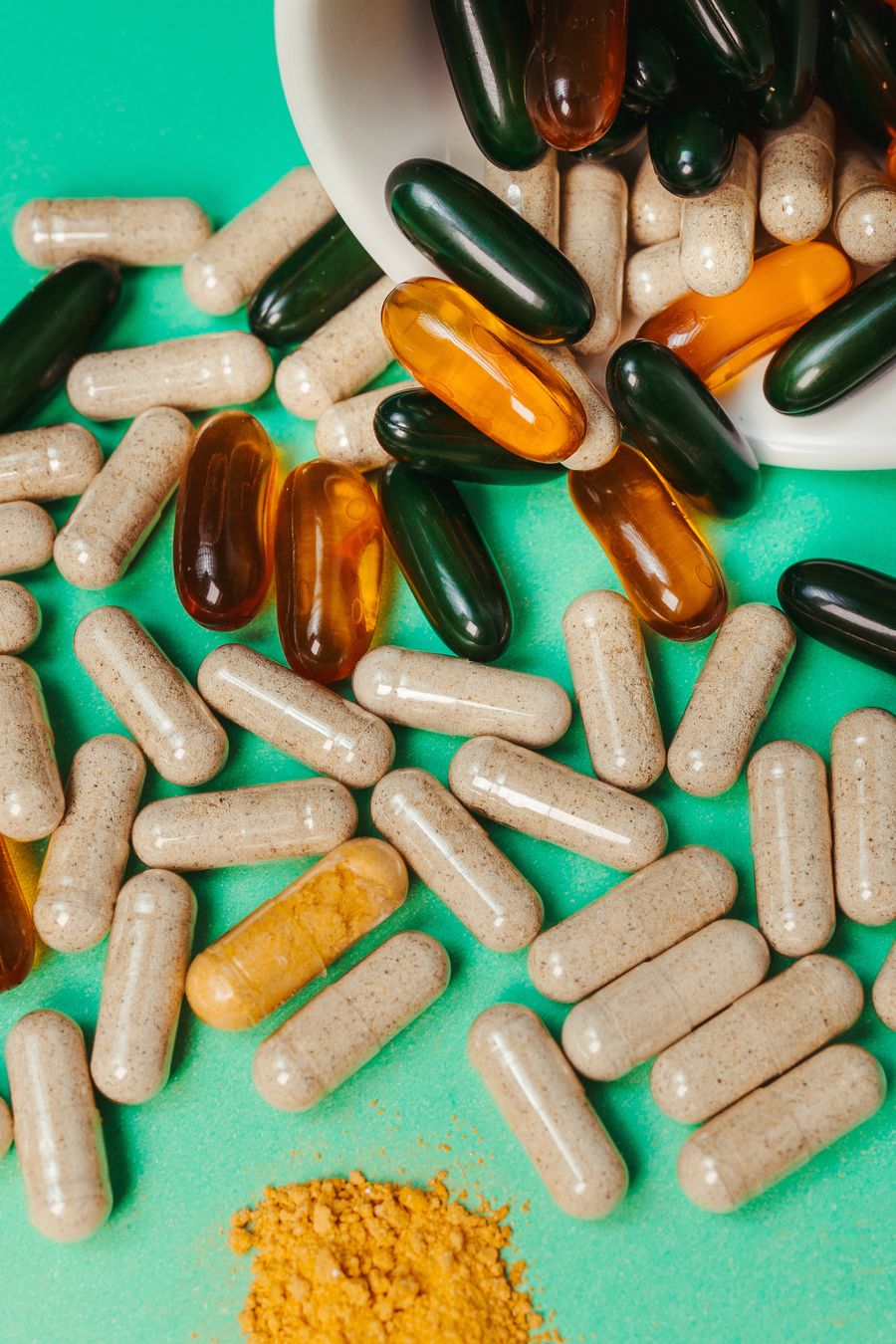
Probiotics are not a category that works or does not, individual strains work for individual problems, and the rest is marketing.
Gut health is where supplement marketing is loudest and where the detail matters most. Probiotics are not interchangeable: evidence exists for specific strains in specific situations, certain lactobacillus and bifidobacterium strains for antibiotic-associated digestive upset, for instance: rather than for probiotics in general. A product listing its strains precisely, with a CFU count guaranteed to end of shelf life, is telling you more than one advertising billions of bacteria on the front, because a count at the point of manufacture tells you nothing about what is still alive when you take it.
Be sceptical of broad claims. Immunity, energy, mood and skin are all marketed on gut health with far less evidence than the packaging implies, and for most people a diet with more fibre and fermented food does more than a capsule. Anyone immunocompromised, seriously ill or with a central line should not take live cultures without medical advice. Persistent digestive symptoms, especially any change in bowel habit, bleeding or weight loss — need a GP, not a probiotic, and should not be self-managed with supplements bought off a shelf.
We may earn a commission from this link, at no extra cost to you.
We assess products on construction and claims we can verify, not on which brand pays most.
We test marketing claims against the actual published construction and specification, rather than taking a product name at face value.
Every product in a guide is judged against its siblings, so the ranking reflects what you actually choose between.
Independent certification, materials and build quality all feed into the score, not just headline features.
A score means nothing without context, so every pick states who it suits, and who should skip it.
We weigh what's included and what isn't, because delivery, fees and accessories change the real price.
Brands cannot buy a position. Affiliate commissions fund the site but never determine the order or the wording.
For most people in the UK the shortlist is short. Vitamin D through autumn and winter has the clearest public health case. Omega 3 is worth it if you do not eat oily fish. Folic acid is specifically recommended for anyone who could become pregnant. Beyond that it depends entirely on your diet, your bloods and your circumstances.
The categories with the weakest case are broad-spectrum multivitamins for people who already eat well, and anything promising a specific outcome like energy, detox or fat loss. If you are unsure what applies to you, a pharmacist can usually tell you in five minutes for free.
For established single nutrients, vitamin D, magnesium, omega 3, vitamin C, there is no meaningful difference in what reaches your bloodstream, and the own-label version is usually substantially cheaper. Compare the nutrition panel rather than the front of the box and you will often find they are near-identical.
Branded products can be worth the premium where the formulation is really more complex, or where a specific form or delivery method has evidence behind it. Those cases are rarer than the shelf suggests.
Not without checking. Interactions are common and some matter a great deal: St John's wort reduces the effectiveness of many medicines including some contraceptives and antidepressants, vitamin K interferes with warfarin, high-dose omega 3 and vitamin E can affect clotting, and calcium or iron can block the absorption of several drug classes.
A pharmacist can check this for you quickly and at no cost, and they will have your prescription record. Do it before you buy rather than after you start.
How much of the magnesium your body actually absorbs, and what the rest does on the way through. Oxide is cheap but poorly absorbed and the commonest cause of the laxative effect people complain about. Citrate is better absorbed and gentler. Glycinate is generally the best tolerated and is the one most often chosen by people taking it in the evening.
The headline milligram figure on the front is the compound, not the elemental magnesium. Check the nutrition panel for the elemental amount if you want to compare two products.
Vitamin D through the darker months, omega 3 if you do not eat oily fish, and nothing else until you have a reason. That covers most people, costs very little, and is far more useful than a basket of things bought on a claim.
Check current Holland & Barrett prices Not medical advice · Speak to a GP or pharmacist before starting any supplement
From the best-selling Classic to the adjustable Solaire and the pain-focused Rx, we compared every mattress in Saatva's lineup and matched each one to a sleep style, body type and budget.

Six thousand pieces or six hundred, we went through LEGO's current 18+ range and picked the sets worth the shelf space, the build time and the money.

Samsung's 2026 range runs from a 165Hz QD-OLED flagship to a Micro RGB LCD and an art panel that hides in plain sight. Here's which one belongs in your room.