Best overall
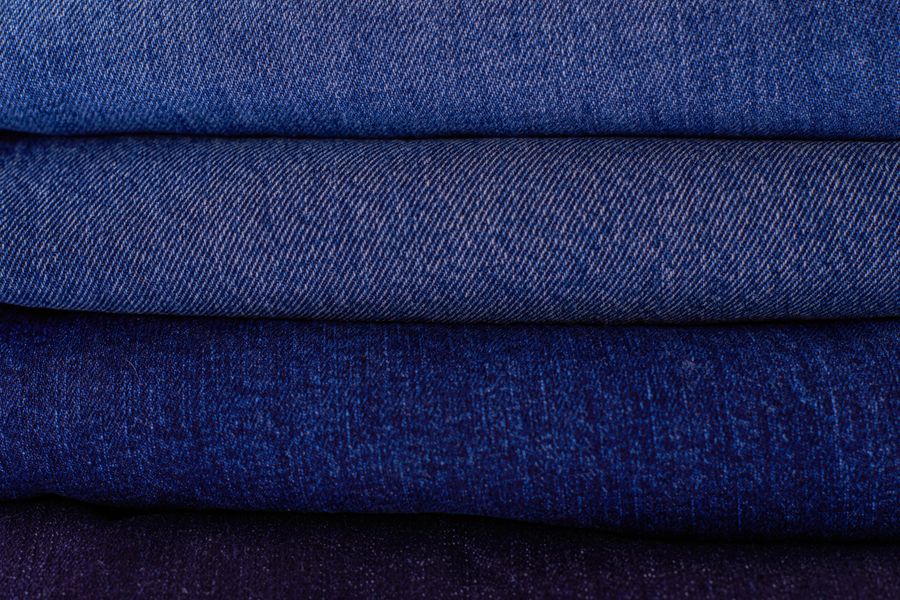
Levi's 501 Original
Straight legButton flyRegular rise
The original straight-leg jean and still the most useful. Sits at the waist, runs straight through the leg and suits almost every body shape and shoe.
Levi's sells one jean in dozens of shapes, and the number on the label is the only thing that matters; we match the six fits worth knowing to body shapes, rises and the shoes you actually wear.

Buying Levi's is not really about choosing a pair of jeans. It is about choosing a fit number, because that three-digit code decides where the waistband sits, how much room you get through the seat and thigh, and whether the leg runs straight, tapers in or hangs loose. Get the number right and the denim, wash and length are easy.
The trouble is that the catalogue is enormous and the numbers are not intuitive. A 511 and a 512 sound almost identical and are not. Men's and women's numbering follow different logics. This guide cuts the range down to the six fits that cover almost everyone, and says plainly who each one flatters and who should leave it alone.
Affiliate disclosure: Reviews Lounge earns a commission when you buy through links on this page, at no additional cost to you. Commissions never influence our rankings, scores or recommendations. Full disclosure.
Three fits between them cover the overwhelming majority of denim wardrobes, one straight, one slim, one tapered.
The original straight-leg jean and still the most useful. Sits at the waist, runs straight through the leg and suits almost every body shape and shoe.
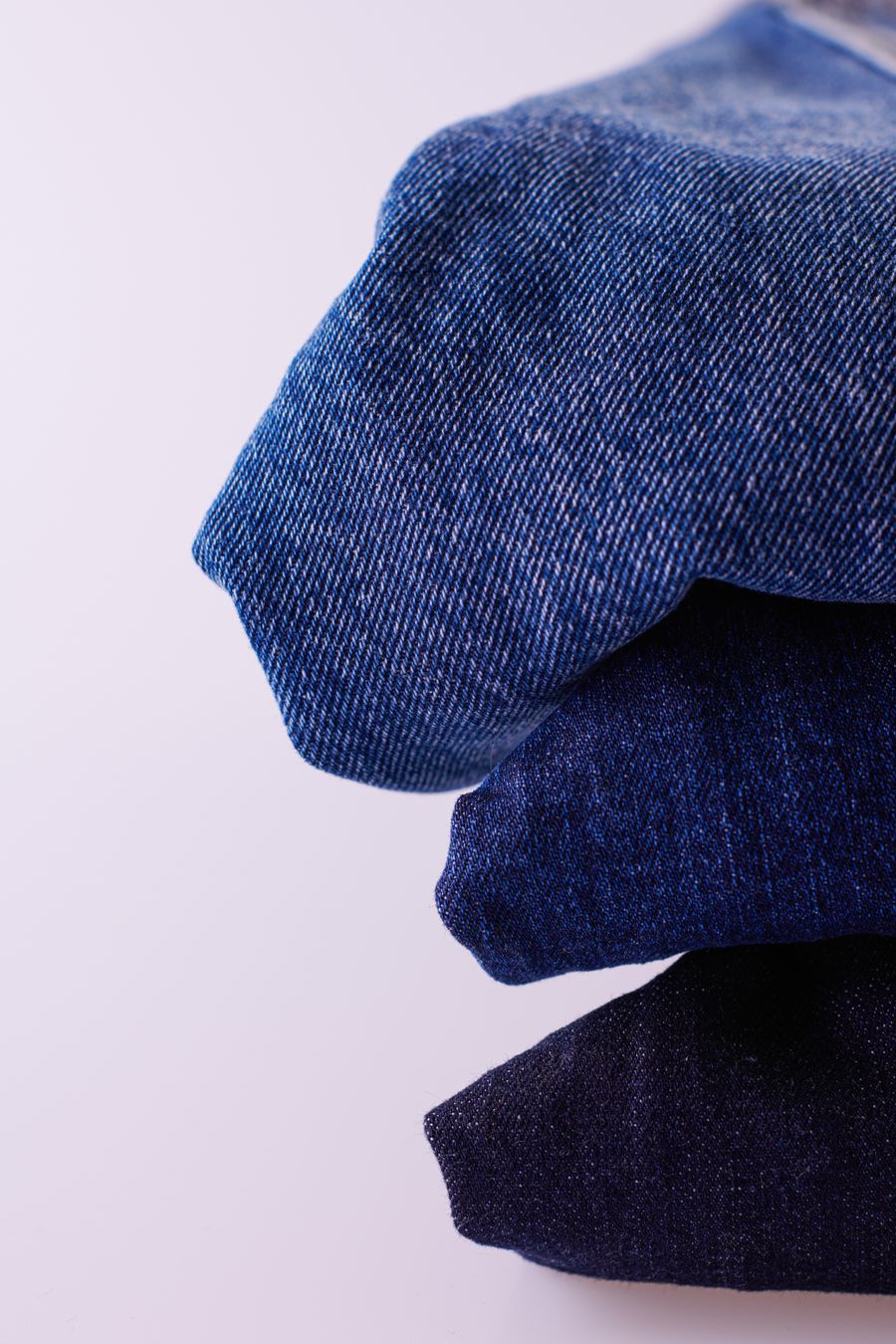
Levi's most popular slim fit. Sits below the waist and runs slim in a consistent line from hip to hem without clinging to the calf.
A slim fit that narrows through the lower leg. Keeps the room where you need it and tidies the ankle, which makes it the natural choice over boots.
Every option side by side, with the one thing that actually distinguishes it.
| Fit | Best for | Rise | Leg shape | Watch out for | |
|---|---|---|---|---|---|
| 1Levi's 501 Original | Almost everyone | Sits at the waist | Straight through the leg | Button fly and a stiff first fortnight | View |
| 2Levi's 511 Slim | Slim and average builds | Sits below the waist | Slim, consistent to the hem | Tight over muscular thighs and calves | View |
| 3Levi's 512 Slim Taper | Athletic and stockier builds | Sits below the waist | Slim with an ankle taper | Tight ankle opening over tall boots | View |
| 4Levi's 568 Loose Straight | Comfort and looser silhouettes | Sits at the waist | Loose and straight | Needs the right hem length to work | View |
| 5Levi's Ribcage Straight | Defining the waist | Highest in the range | Straight, ankle or full length | Can feel restrictive when seated | View |
| 6Levi's 721 High Rise Skinny | Layering under boots | High | Skinny through hip and thigh | Relaxes through the day; shape divides opinion | View |
← swipe the table to see all columns →
Three reasons the fit numbers are worth learning instead of starting again with a new brand each year.
A 511 bought this year is cut to the same block as a 511 bought several years ago. That consistency is the whole point: once you know your number and size you can re-order without a fitting room, and you can mix rigid, stretch and selvedge versions of the same shape knowing the top block will behave.
The same fit numbers run from everyday cotton denims up to premium and selvedge versions. You can buy a cheap pair to find your size, then spend more on the same cut in better fabric. Few brands let you separate the decision about shape from the decision about budget this cleanly.
Rigid and low-stretch Levi's fade at the knee, hip and hem in a way that stretch-heavy jeans never do. If you like denim that records how you wear it, the core fits reward patience; the trade-off is a genuine stiff period before the jean settles.
Three decisions, in this order, get you to the right fit number faster than browsing washes.
The rise decides the silhouette far more than the leg does. A low rise sits below the waist and suits longer bodies and shorter tops. A mid or regular rise sits roughly at the natural waist and is the safest default. A high rise such as the Ribcage or 721 defines the waist and lengthens the leg, which is why it reads as dressier and works with tucked shirts. Try one of each if you can; it is the decision people get wrong most often.
Straight legs are the most forgiving and the easiest to shoe. Slim fits follow the leg without gripping and need a neater shoe. Tapered fits are roomy at the top and narrow at the ankle, which makes them the natural choice over boots. Loose and baggy cuts need length and a flat hem to look deliberate rather than borrowed, so check the inside leg carefully before ordering.
The same fit often exists in rigid cotton, low-stretch and comfort-stretch denims. Rigid gives the cleanest lines and the best fading but takes time to mould. Stretch versions are comfortable immediately and hold their shape better through a long day, but they fade less interestingly and can relax a half size as the day goes on. Buy rigid snug, buy stretch true.
Levi's waist and inside-leg measurements are given in inches, which makes sizing more precise than S/M/L but less forgiving. If you are between sizes, the rule depends on fabric: size down in rigid denim because it will give, and take your true size in anything with elastane because it will not tighten back up.
Fit numbers are not interchangeable across the men's and women's ranges. The women's numbers such as 721 and 724 describe the rise and leg together, while men's numbers describe the block. Treat a change of number as a change of garment and check the shape, not just the waist size.
Wash less than you think. Cold water, inside out, and a line dry keeps colour and shape far longer than a hot machine wash and a tumble dryer, which is what actually shrinks a leg and hardens a hem. Spot-clean marks between washes.
If you buy a rigid pair, expect a fortnight of wear before the jean stops fighting you. The waistband and knees settle first. Do not have the hem shortened until the jean has relaxed, or you will end up with a length that creeps up once the denim moulds.
Ranked by how well each one delivers on what it promises, not by price.
If you only learn one Levi's fit number, learn this one – the 501 is the benchmark every other cut is described against.
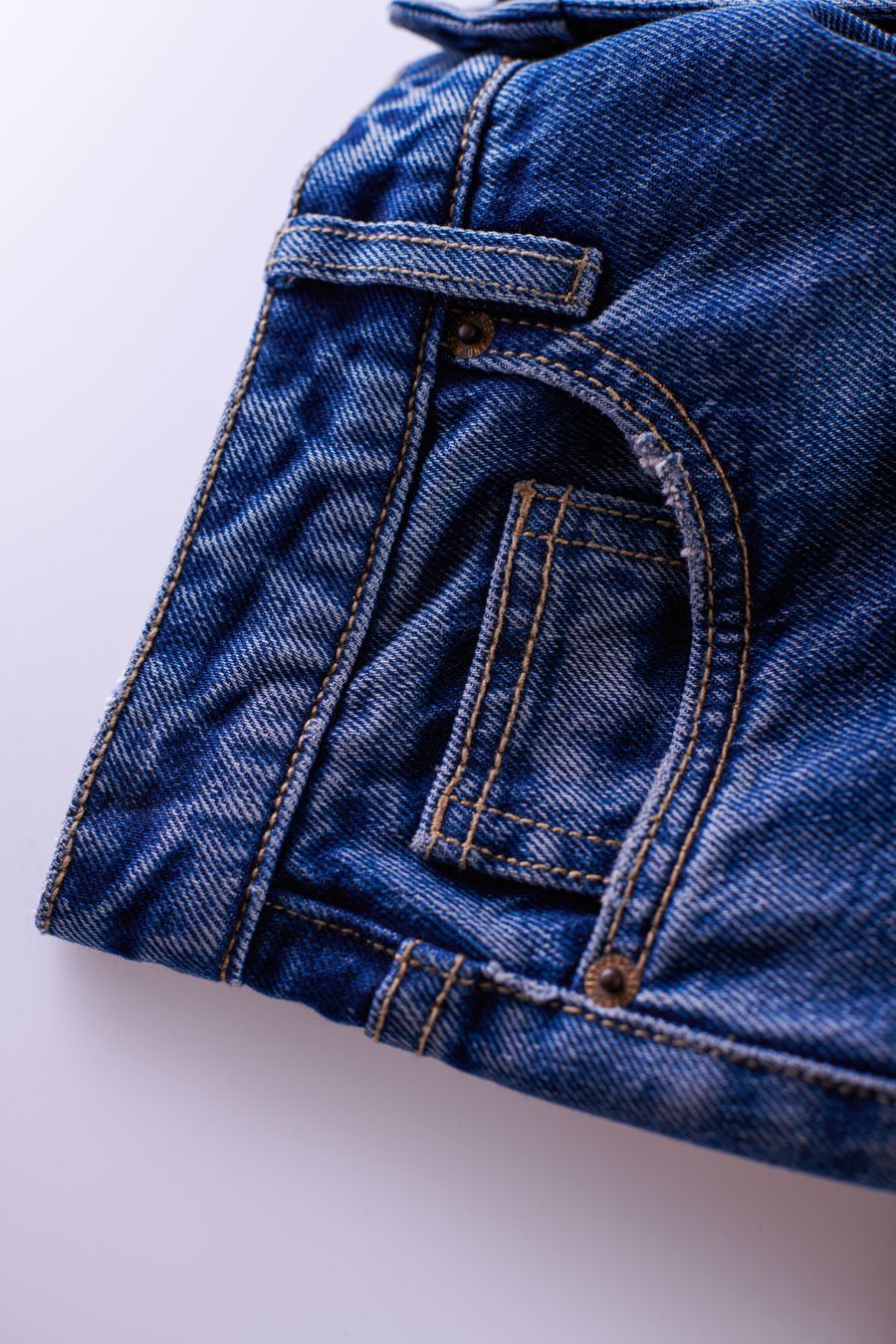
The 501 is the jean the rest of the catalogue is measured against, and it earns that position by being unfussy. The waistband sits at or near the natural waist, there is honest room through the seat and thigh, and the leg falls straight to the hem with no taper to manage. That combination is why it works on slim and broad builds alike, and why it looks right with trainers, boots and loafers without any adjustment. The button fly is part of the character rather than a feature, and it is the detail people either love or quietly resent.
What you are buying into is a jean that improves rather than degrades. The rigid versions feel stiff for the first week or two and then mould to you, creasing at the knee and fading at the points you actually move. If you want comfort from the first hour, Levi's also sells the 501 in softer and lower-stretch denims, and there is a shrink-to-fit version for people who want to control the final size themselves. For everyone else, the standard pre-shrunk 501 in your measured waist is the safest single denim purchase in this guide.
We may earn a commission from this link, at no extra cost to you.
The 511 is slim rather than skinny, which is exactly why it has outlasted every skinny-jean trend of the past decade.
The 511 is the fit most people mean when they say they want slim jeans. It sits below the natural waist, cuts closer through the seat and thigh than a 501, and then holds that slim line all the way to the hem rather than narrowing further. The result is a clean vertical shape that works with trainers and neat shoes and reads as tidy without looking sprayed on. It is also the fit Levi's offers in the widest spread of fabrics, from rigid and selvedge through to lightweight summer denims, so you can keep the shape and change the weight with the season.
It suits average and slim builds best. If you carry muscle through the thigh or calf, the 511 can feel gripped at the knee even in stretch denim, and that is the moment to look at the 512 instead. The low rise is worth noting too: it is comfortable and modern, but it needs a top that sits over the waistband rather than a tucked shirt, and people with longer torsos sometimes find it sits lower than expected. Try before committing if you normally wear your waistband at the waist.
We may earn a commission from this link, at no extra cost to you.
The 512 solves the problem the 511 creates: room through the thigh, a clean ankle, and a hem that sits on a boot instead of over it.
The 512 looks almost identical to the 511 on a hanger and behaves quite differently on a leg. The top block is cut slim through the seat and thigh, then the leg tapers in towards the ankle rather than holding a straight slim line. That taper is the whole point. It stops the hem pooling, keeps the silhouette moving towards the shoe, and means you can wear a substantial boot without the denim bunching across the laces. It is the fit to try if slim jeans have ever felt tight at the knee and loose at the ankle at the same time.
It is particularly good on athletic and stockier builds, because the extra room sits exactly where those builds need it. The compromise is that a taper is less flexible with footwear than a straight leg: with very low-profile trainers the narrowed ankle can look slightly abrupt, and getting a boot through the hem needs a moment of attention. Length matters more here than in any other fit in this guide, because a taper hemmed too long collapses at the ankle and loses the shape you bought it for.
We may earn a commission from this link, at no extra cost to you.

A loose straight only looks deliberate if the length is right, get the hem flat on the shoe and the 568 is the easiest relaxed fit to wear.
The 568 is Levi's answer to the shift away from slim denim, and it is a better place to start than the fully baggy fits. It is cut loose through the seat and thigh and falls straight from there, so you get real freedom of movement and a column-like line without the exaggerated volume of a 578 or an extra-baggy cut. For anyone who stopped enjoying jeans when everything went slim, this is usually the fit that brings them back, and it sits comfortably with trainers, boots and heavier footwear.
The thing that makes or breaks it is length. A loose straight needs a hem that just breaks on the shoe; too long and the leg stacks and looks borrowed, too short and the volume reads as a mistake rather than a choice. It also needs a bit of thought up top, because a loose leg with a loose jumper flattens the whole silhouette. If you are slim-framed and short, be honest about whether you want this much fabric – a 501 gives you a straight leg with far less of it.
We may earn a commission from this link, at no extra cost to you.

Nothing else in the range defines a waist like the Ribcage, which is why it works with a tucked shirt and a heel as easily as with a tee.
The Ribcage sits higher than anything else Levi's makes, and that single decision does all the work. The waistband lands well above the hip, so it holds the narrowest part of the waist, visually lengthens the leg and gives a clean line for tucking in a shirt or a fine knit. The straight leg below keeps the shape balanced rather than theatrical, and the ankle-length versions end just above the ankle bone, which is why the fit looks intentional with flats, boots and heels rather than only with trainers.
It is a shape with opinions. A very high rise is less comfortable sitting down than a mid rise, and if you have a short torso it can reach the ribs – the name is not accidental. The waistband also needs to fit precisely: because it sits on a narrower part of the body, a half size too large gapes in a way a low rise never would. Try it on if you can, and if you are between sizes, the smaller one with a short stretch period is usually the better call.
We may earn a commission from this link, at no extra cost to you.
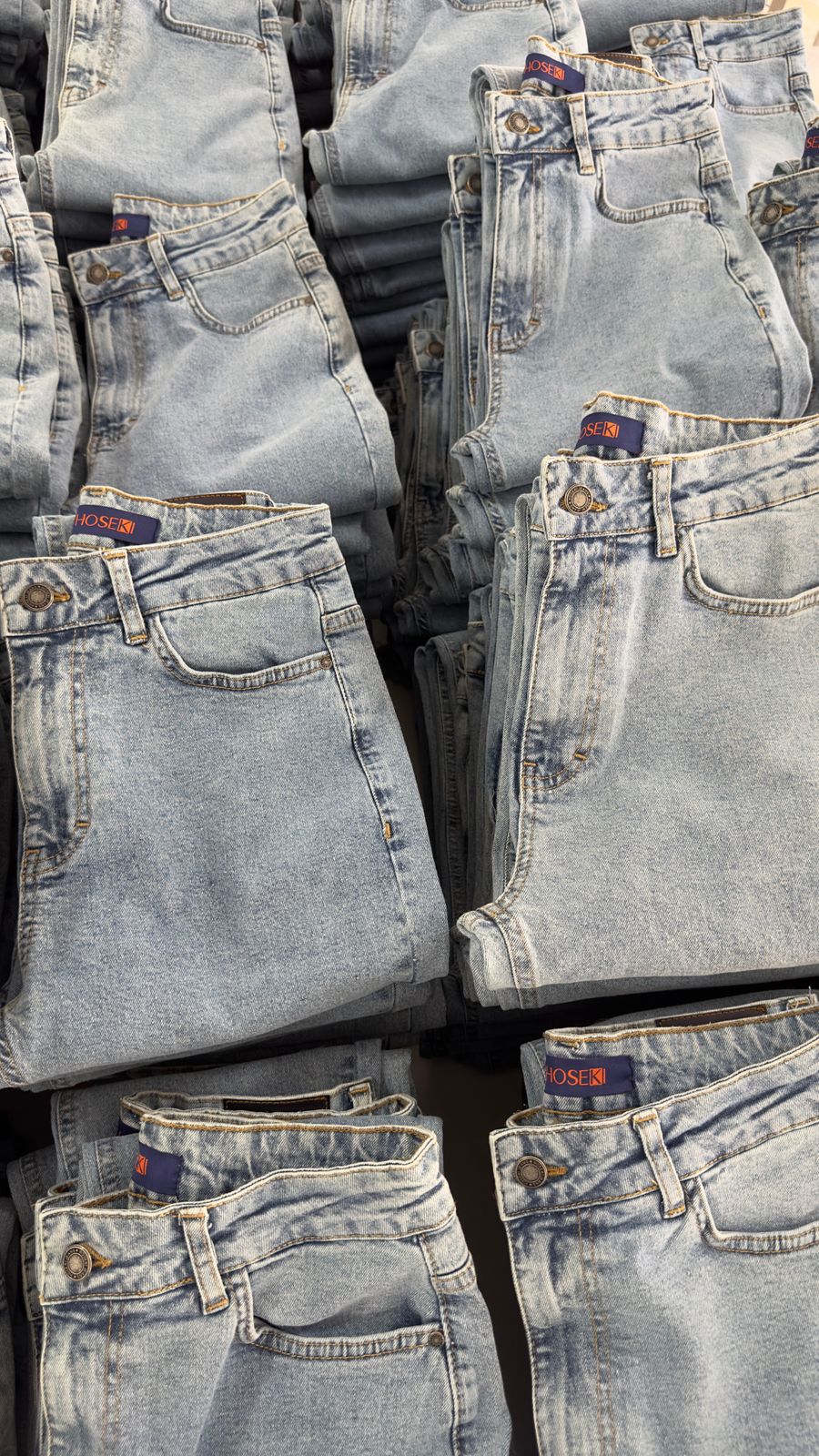
Skinny jeans stopped being the default years ago, but under a long coat and tall boots the 721 is still the tidiest option.
The 721 pairs a high waistband with a skinny leg, which is a more flattering combination than the low-rise skinnies that preceded it. Sitting high smooths the line over the hip and removes the gap at the back that low rises create when you sit; the skinny leg then keeps everything close so the jean disappears under a boot shaft or a long coat. If your winter uniform is a knee-high boot and an overcoat, this is the fit that layers without bulk, and it is far easier to wear than the super-skinny cuts above it in the range.
Be clear-eyed about the trade-offs. A skinny leg is the least forgiving shape here and it depends on stretch to be wearable, which means it fades less interestingly than rigid denim and can relax across a long day. It is also the fit most tied to a particular look, so if you are rebuilding a denim wardrobe from scratch, start with a 501 or a Ribcage and add the 721 for the specific job it does well. Buy it true to size, not snug.
We may earn a commission from this link, at no extra cost to you.
We assess products on construction and claims we can verify: not on which brand pays most.
We test marketing claims against the actual published construction and specification, rather than taking a product name at face value.
Every product in a guide is judged against its siblings, so the ranking reflects what you actually choose between.
Independent certification, materials and build quality all feed into the score, not just headline features.
A score means nothing without context, so every pick states who it suits – and who should skip it.
We weigh what's included and what isn't, because delivery, fees and accessories change the real price.
Brands cannot buy a position. Affiliate commissions fund the site but never determine the order or the wording.
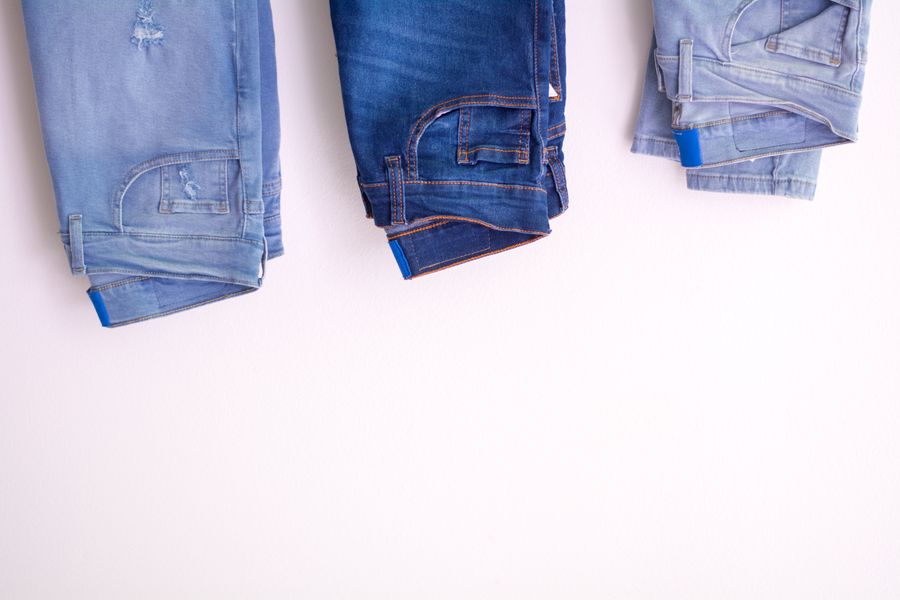
Both are slim fits that sit below the waist, and both are narrower than a 501. The difference is the ankle: the 511 runs slim in a consistent line from hip to hem, while the 512 keeps a similar top block and then tapers in through the lower leg.
If you wear trainers and like a clean straight line down the leg, take the 511. If you wear boots, or you have calves and thighs that fill a slim leg, the 512's taper gives you the room higher up without flapping at the ankle.
Most are sold pre-shrunk and will only move slightly if you wash them cold and dry them flat. Hot washes and tumble drying are what cause real shrinkage, usually in the inside leg first.
The exception is the shrink-to-fit version of the 501, which is sold unwashed and is meant to be shrunk down by the wearer. If that is not something you want to manage, buy the standard pre-shrunk version instead.
A tapered fit, which is why the 512 is the usual recommendation. A taper leaves room through the seat and thigh and then narrows towards the ankle, so the hem sits neatly on the boot shaft instead of bunching over it.
Straight fits such as the 501 also work well with boots if you get the length right. Avoid very slim fits with chunky boots unless you want the hem to ride up the shaft.
Broadly yes, but the fabric matters more than the number. Rigid and low-stretch denims feel tight at first and relax into their proper shape; comfort-stretch denims feel right immediately and then give a little more across the day.
If you are ordering online and cannot try, order your measured waist in stretch and consider one inch down in rigid denim.
It depends on proportion rather than size. A high rise defines the narrowest part of the waist and visually lengthens the leg, which is why fits like the Ribcage and 721 photograph well and work with tucked-in tops.
If you have a shorter torso, a high rise can feel like it reaches the ribs and restrict when you sit. A mid rise is usually the more comfortable answer there.
Pick the rise, then the leg shape, then the denim. Once you have a fit number that works, you can re-buy it in any wash with confidence – and that is the real reason people stay with Levi's for decades rather than seasons.
Check price Fits, washes and availability change through the year; confirm current details before ordering.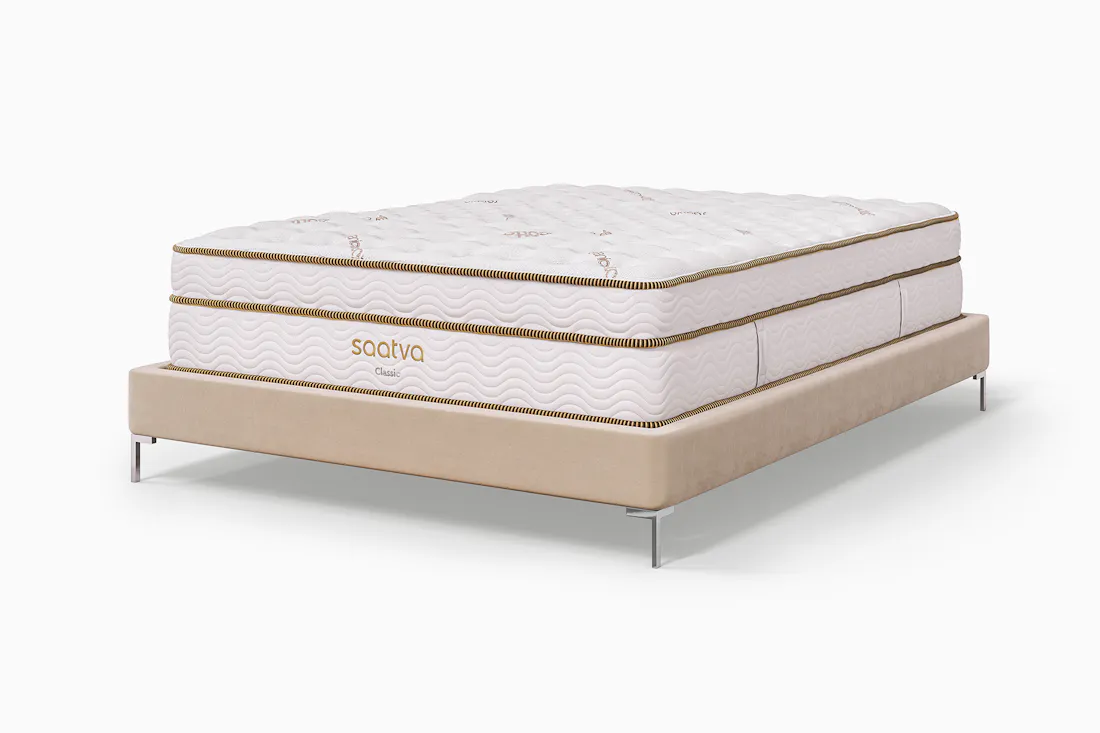
From the best-selling Classic to the adjustable Solaire and the pain-focused Rx: we compared every mattress in Saatva's lineup and matched each one to a sleep style, body type and budget.
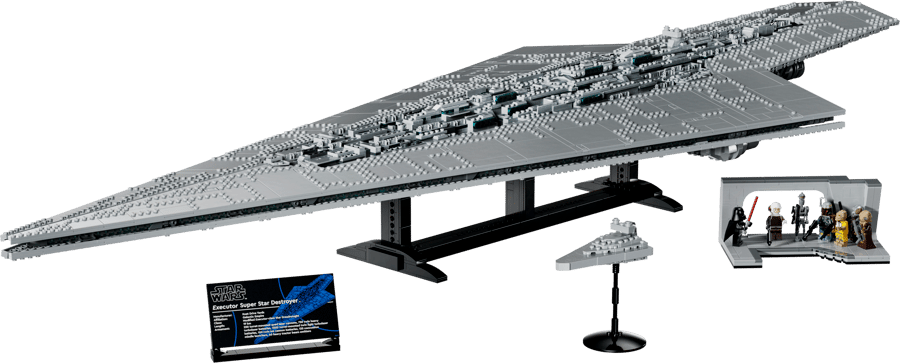
Six thousand pieces or six hundred: we went through LEGO's current 18+ range and picked the sets worth the shelf space, the build time and the money.

Samsung's 2026 range runs from a 165Hz QD-OLED flagship to a Micro RGB LCD and an art panel that hides in plain sight. Here's which one belongs in your room.