Best overall
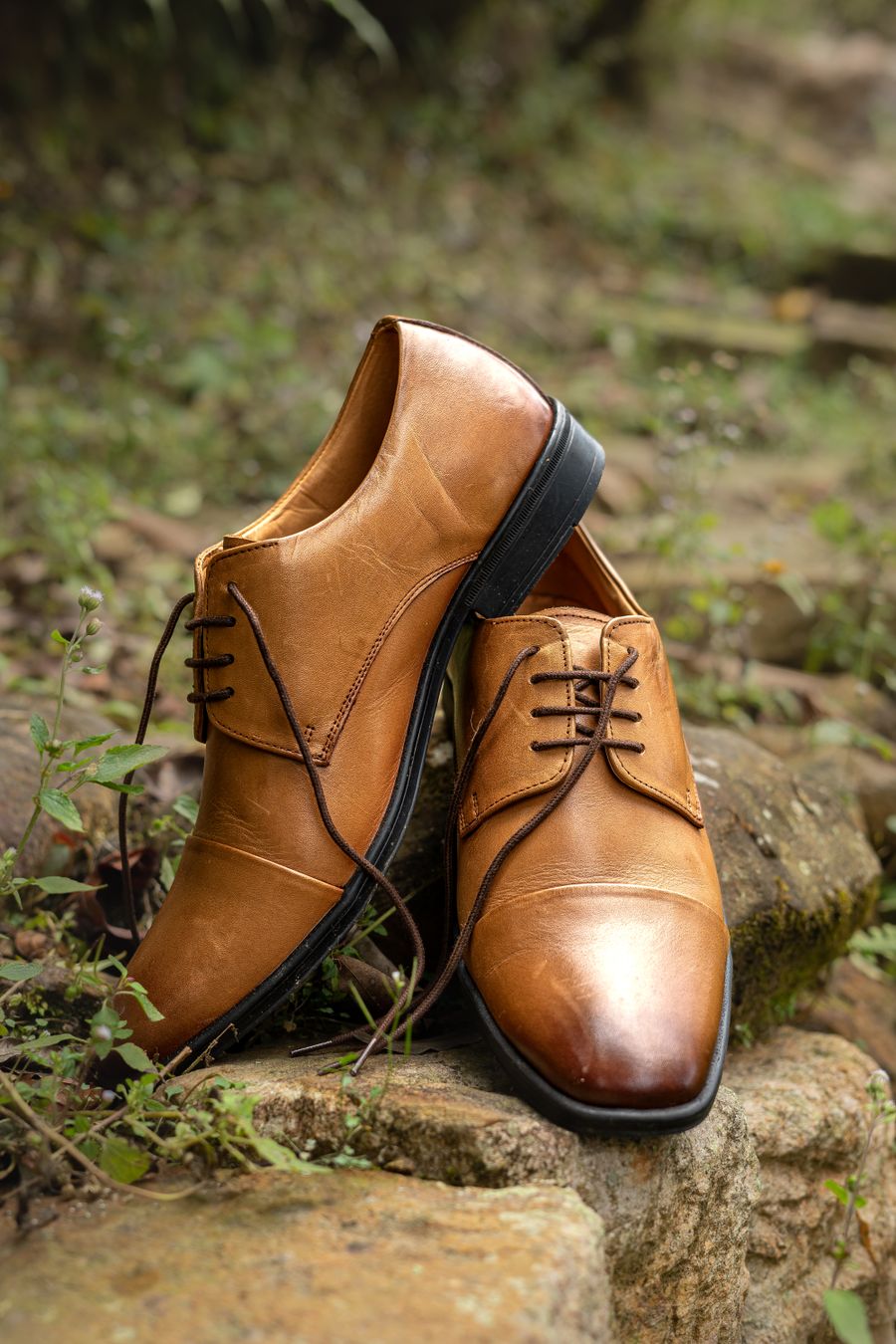
Nike Pegasus 42
Daily trainerNeutralWide fit available
The everyday neutral trainer the rest of the range is built around. Responsive enough for faster efforts, cushioned enough for the daily miles.
Nike's running range splits into daily trainers, cushioned cruisers, support shoes, tempo shoes and carbon racers – we match six current models to the runs you actually do.

Nike's running range looks sprawling until you notice that it is organised by job rather than by name. The Pegasus is the everyday trainer. The Vomero is the soft, high-cushion one. The Structure is the support shoe. Zoom Fly and the Plus models handle faster sessions, and Vaporfly and Alphafly are the carbon-plated racing shoes.
Pick by job and the decision becomes easy. Pick by looks or by what an elite wore at a marathon and you will end up with a racing shoe for easy runs, which is both expensive and uncomfortable. This guide takes six current models and says exactly which runs each one is for, and who should ignore it.

Affiliate disclosure: Reviews Lounge earns a commission when you buy through links on this page, at no additional cost to you. Commissions never influence our rankings, scores or recommendations. Full disclosure.
Three shoes between them cover the everyday mileage of most runners: one neutral all-rounder, one maximal cushion, one support.
The everyday neutral trainer the rest of the range is built around. Responsive enough for faster efforts, cushioned enough for the daily miles.
Nike's softest everyday neutral shoe. More foam underfoot than the Pegasus, for long runs, recovery days and tired legs.

Nike's stability trainer. A steadier platform for runners whose ankles roll inwards, with enough cushioning to be a genuine daily shoe.
Every option side by side, with the one thing that actually distinguishes it.
| Model | Best for | Type | Key strength | Watch out for | |
|---|---|---|---|---|---|
| 1Nike Pegasus 42 | Most of your running week | Neutral daily trainer | Versatile, responsive ride | Snug forefoot; not the softest | View |
| 2Nike Vomero 18 | Long runs and recovery | Neutral high cushion | Soft, protective ride | Sluggish at pace; heavier | View |
| 3Nike Structure 26 | Runners who roll inwards | Support daily trainer | Calm, stable platform | Heavier and firmer; unnecessary for neutral runners | View |
| 4Nike Pegasus Plus 2 | Tempo and faster sessions | Lightweight trainer | Light, bouncy ride | Snug fit; wears faster than a daily shoe | View |
| 5Nike Vaporfly 4 | Race day | Carbon-plated racer | Propulsion at speed | Costly, short-lived and unstable when tired | View |
| 6Nike Wildhorse 10 | Off-road running | Trail shoe | Grip and protection | Poor on tarmac; heavier than road shoes | View |
← swipe the table to see all columns →
Three reasons the range is worth choosing from, beyond the obvious name.
Pegasus for daily miles, Vomero for cushioning, Structure for support, Zoom Fly and the Plus models for tempo, Vaporfly and Alphafly for racing. Once you learn that grid you can shop by what you need rather than by what looks fast, and it makes building a two-shoe rotation really simple.
Nike's carbon-plated racing shoes drove the current era of marathon times, and the foams developed for them now appear in training shoes further down the range. That means a daily trainer today feels livelier than one from a few years ago, without you having to buy the race shoe to get it.
The Pegasus, Vomero and Structure lines are updated on a predictable cycle with the version number on the box. If a version suits you, you can usually buy the previous one cheaply when the new one lands, and you know roughly what you are getting rather than starting again.
Three questions settle which Nike you should be looking at.
Be honest about your week. If most of your running is steady and unglamorous, you need a daily trainer such as the Pegasus, not a racing shoe. If you are building distance and your legs feel battered, a high-cushion shoe like the Vomero earns its place. Faster sessions and race day are the only reasons to look at plated shoes, and even then they work best alongside a normal trainer rather than instead of one.
Most runners do not and should buy neutral shoes. If your ankles roll noticeably inwards, your old shoes wear unevenly on the inside edge, or you have been told you overpronate, a support shoe such as the Structure will feel steadier and calmer. Support is not a cure for injury, though – if something hurts, get it looked at before changing shoes, because the wrong assumption here can make things worse.
Running shoes should have a thumbnail of space in front of the longest toe, because feet swell over distance and a shoe that fits perfectly standing still will bruise toenails at mile ten. Many runners go half a size up from their everyday shoes. Try shoes at the end of the day, in your running socks, and if the main trainers feel tight across the forefoot, check whether a wide version exists before compromising on the model.
If you run more than about three times a week, two pairs beat one. A daily trainer for the bulk of the miles and something lighter and faster for one session a week gives your legs a change of stimulus and lets the foam in each pair recover between runs.
Rotating also stretches the life of both pairs, because compressed midsole foam recovers some of its properties with a day or two off. It is the cheapest performance upgrade available to most runners.
The outsole rubber usually looks fine long after the midsole has stopped doing its job. The real signals are a ride that suddenly feels flat and dead, new aches in the shins or knees, and a midsole that has visibly creased or compressed on one side.
Keep a rough note of how many weeks a pair has been in heavy use. Lightweight racing shoes and the softest foams wear out faster than firmer daily trainers, so the same mileage is not the same wear.
Ranked by how well each one delivers on what it promises — not by price.
If you are buying one pair of Nike running shoes, buy the Pegasus, it is the most useful shoe in the line and always has been.
The Pegasus is Nike's default running shoe and the best starting point for almost anyone. It pairs a moderate, resilient midsole with Air Zoom units under the foot, which is why it feels springy rather than mushy and can handle a steady run, an easy recovery jog and a brisk interval session without complaining. It is neutral, so it does not try to correct your gait, and it is updated on a predictable cycle, which means you can buy the previous version cheaply when a new one arrives if the fit suited you.
Its strength is breadth rather than brilliance at any one thing. A dedicated max-cushion shoe will protect tired legs better, and a plated racer will feel faster, but neither covers as much of a normal running week. The Pegasus is also one of the models offered in a wide version, and there are GORE-TEX and easy-entry variants if you need weather protection or struggle with laces. Fit tends to run snug across the forefoot, so order with room in front of the toes and treat it as a running fit rather than a lifestyle one.
We may earn a commission from this link, at no extra cost to you.
The Vomero is the shoe you want on the day after a hard session, when the aim is protection rather than pace.
The Vomero sits a level above the Pegasus in cushioning and is the obvious answer when the problem is tired legs rather than lack of speed. There is considerably more foam under the foot, with a softer top layer over a more resilient base, so landings are absorbed rather than transmitted. That makes it excellent for long steady runs, recovery days and heavier runners, and it is also one of the more comfortable Nike shoes simply to stand around in, which matters if you are on your feet before and after a run.
The compromises come from the same place as the benefits. A tall, soft midsole is less connected to the ground and less eager to change pace, so quick sessions feel vague in it and tight corners need more care than in a Pegasus. It is also heavier and the softer foams tend to lose their bounce sooner than firmer ones. Buy it as the cushioned half of a rotation rather than as your only shoe, and look at the wide version if the upper feels tight over the top of the foot.
We may earn a commission from this link, at no extra cost to you.
The Structure does the quiet job of keeping everything aligned, and modern support shoes no longer feel like running in a plank.
The Structure is the support shoe in the range, built for runners whose feet collapse inwards as they land. Rather than the rigid medial posts support shoes used to rely on, the current approach is a broader, better-shaped platform that guides the foot without blocking it, so the shoe feels calm and settled rather than corrective. Cushioning is in the same territory as a daily trainer, which means it can carry the bulk of your week rather than being reserved for specific runs, and it comes in a wide version.
The thing to understand is that support is not treatment. If you are in pain, a shoe choice is not the fix, and plenty of people who have been told they overpronate run perfectly well in neutral shoes. Compared with the Pegasus the Structure is heavier, firmer and less playful at pace, and runners who do not need the guidance will feel it working against them. Try it alongside a neutral shoe if you can, and let the one that feels less effortful win rather than the one you were told to buy.
We may earn a commission from this link, at no extra cost to you.
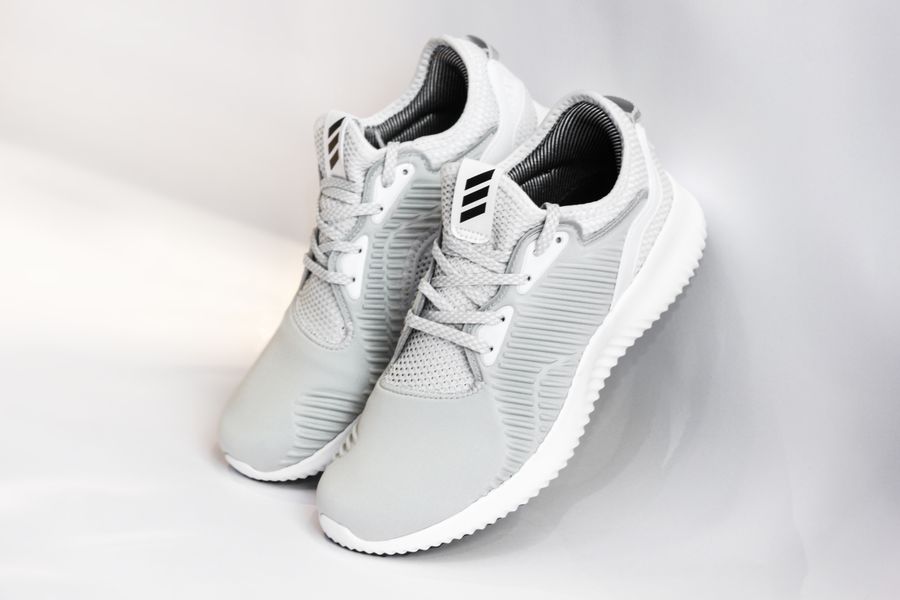
The Plus is what you reach for on the one day a week you want to run fast without putting a carbon plate under your foot.
The Pegasus Plus is the lighter, sharper interpretation of the daily trainer. The midsole uses a bouncier foam and the whole shoe is pared back, so it feels eager at speed in a way the standard Pegasus does not, and the upper is cut closer to hold the foot through turns and surges. It fills the gap between a daily trainer and a racing shoe: quick enough to make tempo sessions and strides enjoyable, but without the plate, the price or the fragility of a carbon racer.
It is a specialist rather than a replacement. The thinner, lighter construction gives you less protection on long slow miles, and the snug upper that helps at pace can feel restrictive on a casual run, particularly for wider feet. The lively foam also wears down faster than the firmer stuff in a standard trainer, so treating it as your everyday shoe is an expensive habit. Use it for one or two sessions a week and let the Pegasus or Vomero carry the rest.
We may earn a commission from this link, at no extra cost to you.
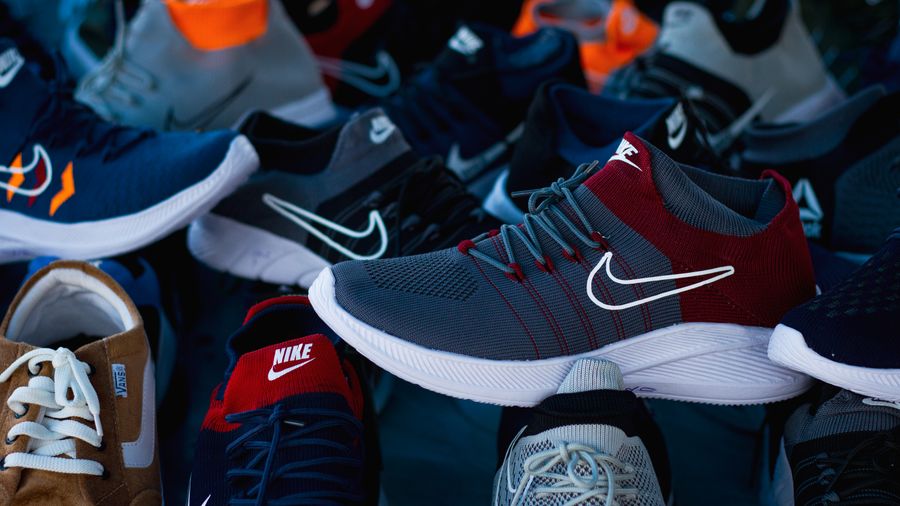
A carbon racer is a race-day tool, not a shoe – treat it as the pair you take out a handful of times a year.
The Vaporfly is the shoe that reset marathon expectations, and the current version is still built on the same idea: a very light upper, a thick slab of Nike's springiest racing foam and a carbon plate running through the midsole. The effect at racing pace is unmistakable, the shoe wants to roll you forwards and it softens the cost of each stride late in a long race. Of the two carbon options it is the more adaptable, where the Alphafly leans further towards marathon-specific propulsion.
It is also the least practical shoe in this guide and that is not a criticism, just its nature. The stack is tall and the platform narrow, so it is less stable than a trainer and unforgiving if your form falls apart when tired. The racing foam compresses faster than training foam, so these do not last long in regular use, and they cost a great deal. Run in them a few times before race day so they are not a surprise, and keep them out of your easy runs entirely.
We may earn a commission from this link, at no extra cost to you.
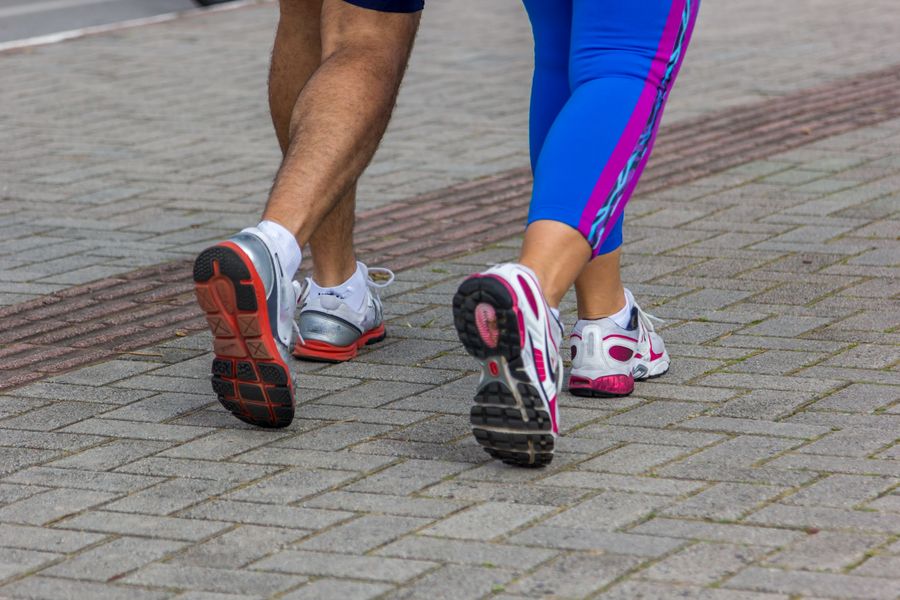
Once the ground stops being flat and dry, a road shoe becomes the problem; the Wildhorse is the shoe that fixes it.
The Wildhorse is the sensible trail choice in Nike's range: a grippy lugged outsole for mud and wet ground, a reinforced upper that survives being scraped along rocks and roots, and more protection between your foot and whatever you land on. It is tuned for the kind of trail running most people actually do, hills, forest tracks, bridleways and the occasional stretch of road to get there — rather than for technical mountain terrain, and it is comfortable enough to run a long way in.
On smooth tarmac it is the wrong tool. The lugs that grip mud feel knobbly on pavement and wear down quickly, and the shoe is heavier and firmer than a road trainer, so using it as your daily shoe is a waste. Nike's trail line is narrower than its road line too, which means fewer width options and fewer updates than the Pegasus gets. Buy it if a meaningful part of your running is off-road; if it is only occasional and the paths are dry, a road trainer will cope.
We may earn a commission from this link, at no extra cost to you.
We assess products on construction and claims we can verify, not on which brand pays most.
We test marketing claims against the actual published construction and specification, rather than taking a product name at face value.
Every product in a guide is judged against its siblings, so the ranking reflects what you actually choose between.
Independent certification, materials and build quality all feed into the score, not just headline features.
A score means nothing without context, so every pick states who it suits, and who should skip it.
We weigh what's included and what isn't, because delivery, fees and accessories change the real price.
Brands cannot buy a position. Affiliate commissions fund the site but never determine the order or the wording.
The Pegasus. It is the neutral daily trainer the rest of the range is organised around, it handles easy runs and the occasional faster effort, and it is forgiving of imperfect form.
Buy a racing shoe later, if at all. Carbon-plated shoes reward runners who already have a consistent training week, and they are uncomfortable and expensive used for easy miles.
The Pegasus is the everyday workhorse, moderate cushioning, responsive, good at a range of paces. The Vomero sits above it with more foam underfoot and a softer, more protective ride.
If your legs feel beaten up after long runs, or you want a shoe for recovery days, the Vomero is the better choice. If you want one shoe to do most things, stay with the Pegasus.
For racing, if you are already training consistently, they do deliver a noticeably livelier and more efficient ride than a normal trainer. That is what the carbon plate and the racing foam are for.
They are also expensive, less stable than a daily trainer, and they wear out faster. Nobody should buy one as their only pair, and they are poor choices for easy running.
Several of the core trainers, including the Pegasus and the Vomero, are offered in wide versions. Availability varies by colourway and region, so check the size selector rather than assuming.
The racing and trail models are less likely to have a wide option. If width is a problem for you, build your rotation around the models that do.
On gravel paths and dry hard-packed tracks, yes. Road outsoles cope with light off-road use, and a daily trainer will not fall apart on a canal towpath.
On mud, wet rock and technical ground you want a trail shoe with proper lugs, such as the Wildhorse. Road shoes have neither the grip nor the underfoot protection, and that is a sprained-ankle situation rather than an inconvenience.
Work out what the bulk of your week actually looks like and buy the shoe that suits that. A daily trainer you reach for four times a week is worth more than a racing shoe you use twice a year: and if you can, make the second pair different from the first.
Check price Models are updated regularly and availability varies – confirm the current version and fit before ordering.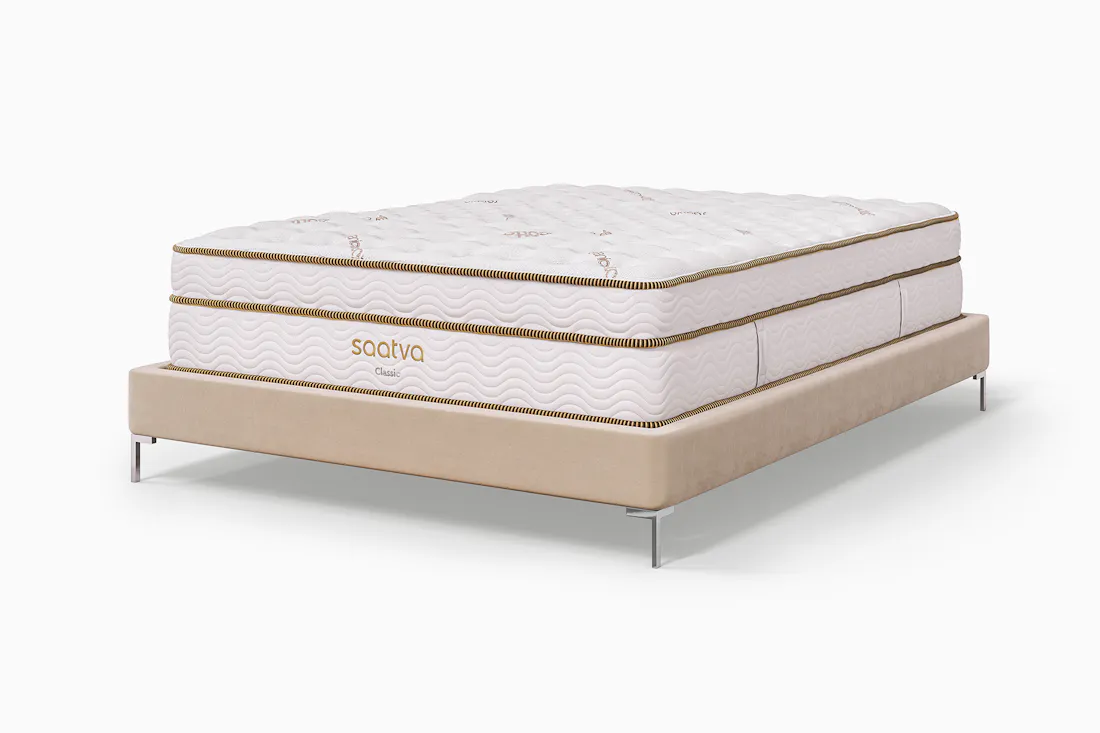
From the best-selling Classic to the adjustable Solaire and the pain-focused Rx — we compared every mattress in Saatva's lineup and matched each one to a sleep style, body type and budget.
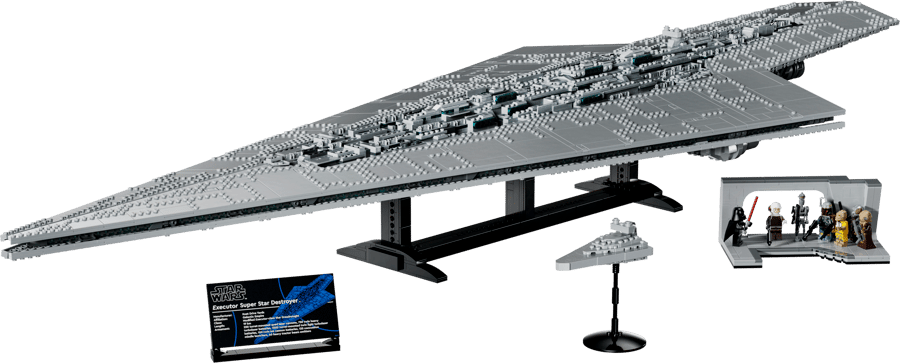
Six thousand pieces or six hundred: we went through LEGO's current 18+ range and picked the sets worth the shelf space, the build time and the money.

Samsung's 2026 range runs from a 165Hz QD-OLED flagship to a Micro RGB LCD and an art panel that hides in plain sight. Here's which one belongs in your room.